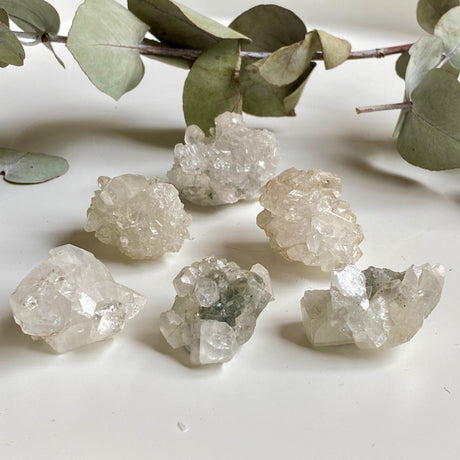
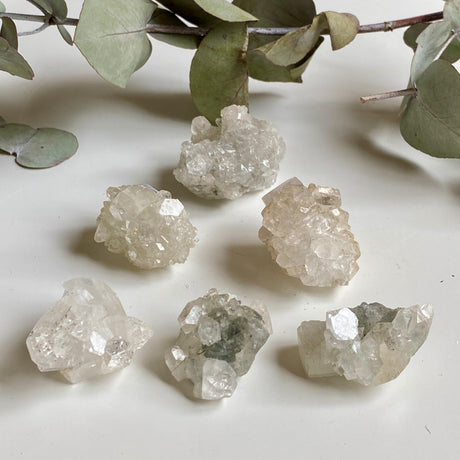
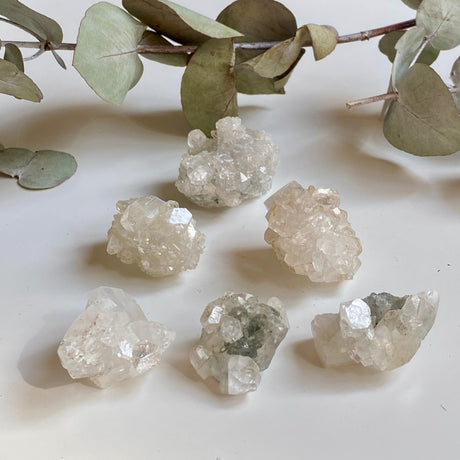
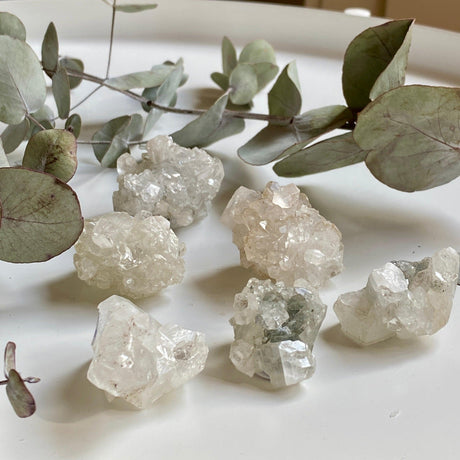
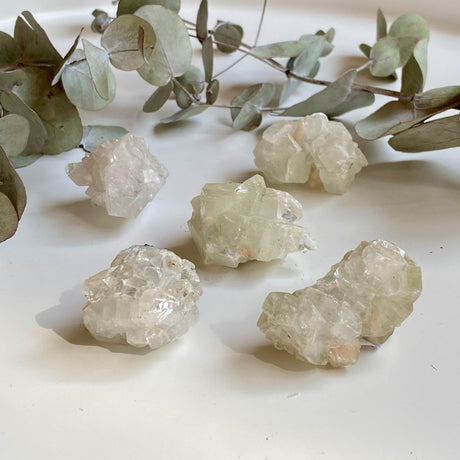
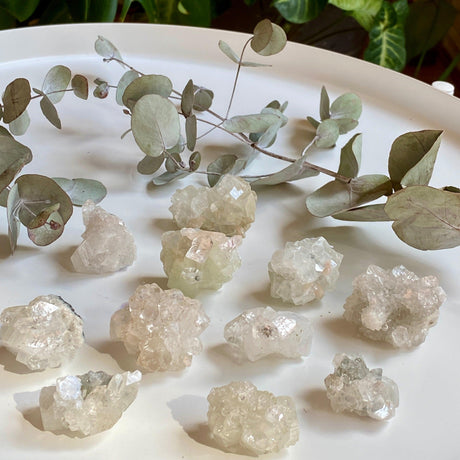
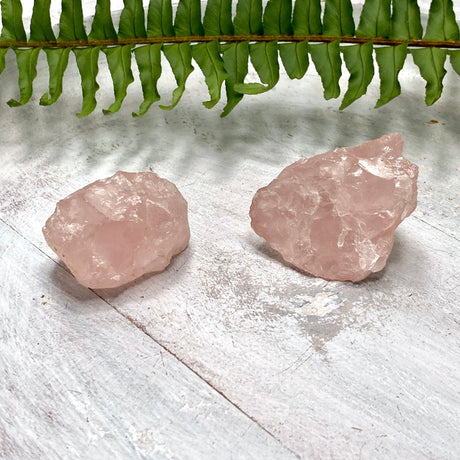
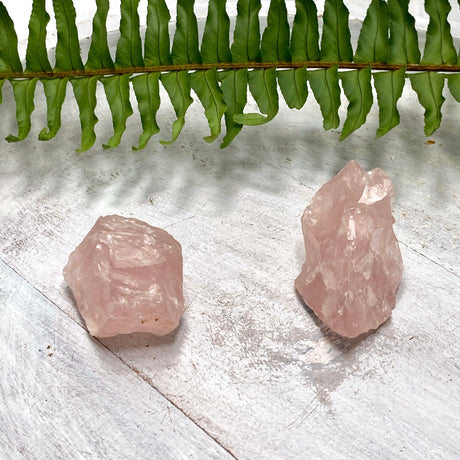
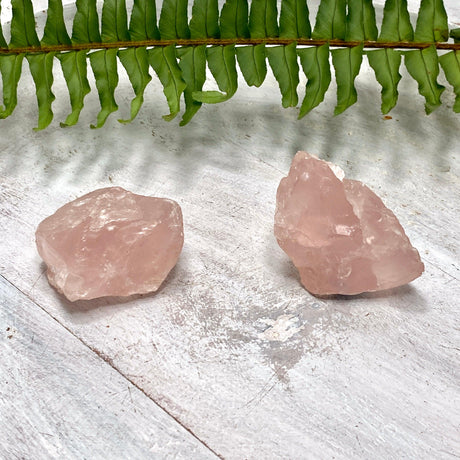
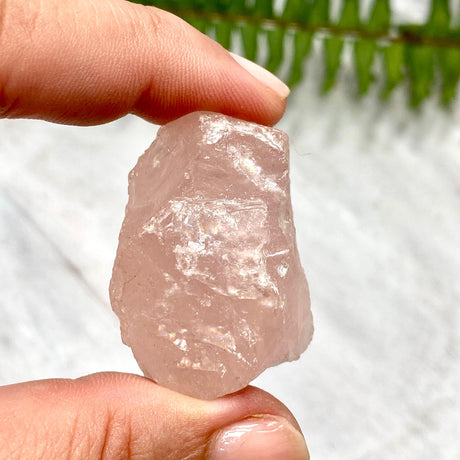
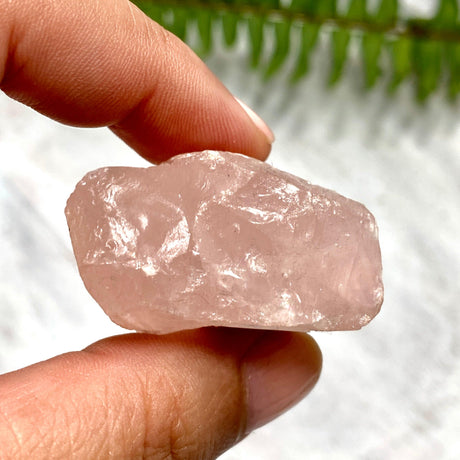
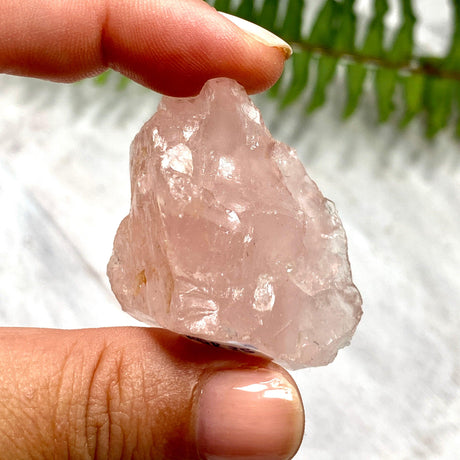
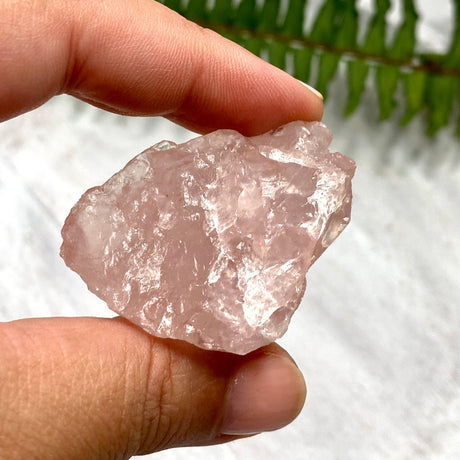
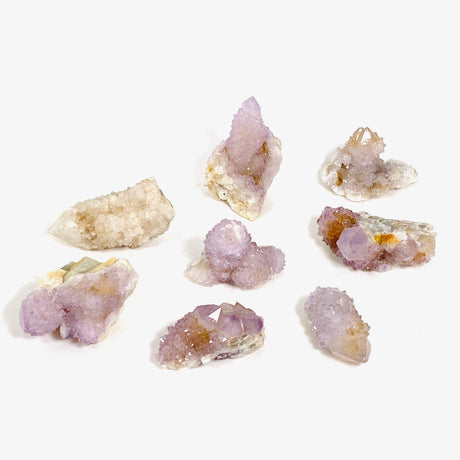
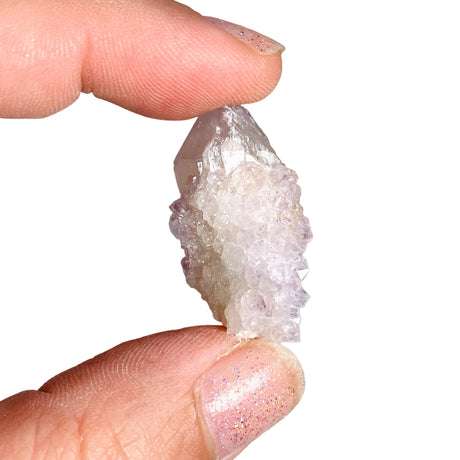
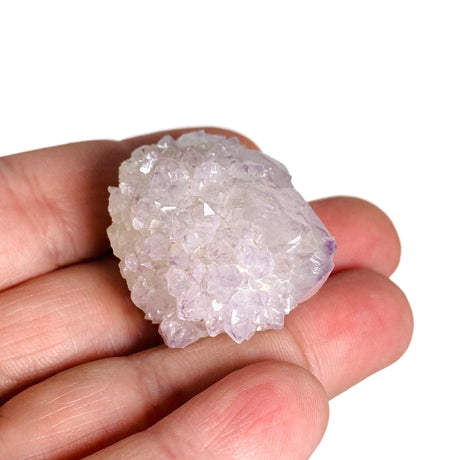
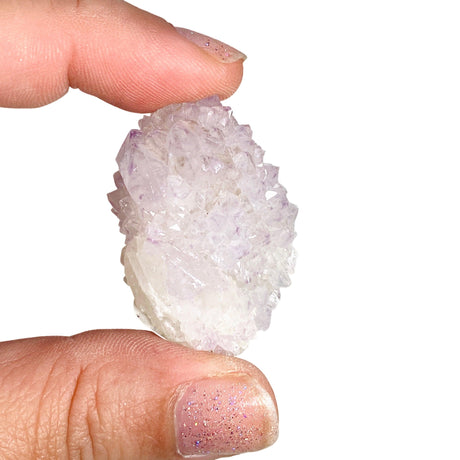
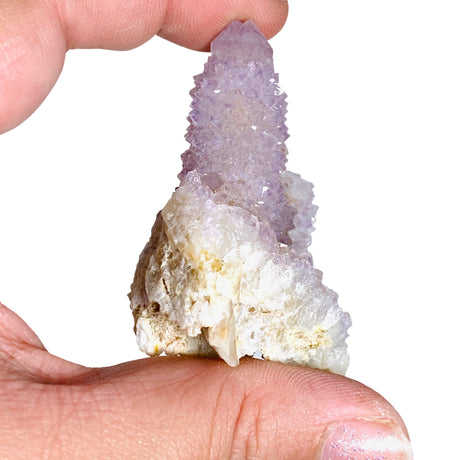
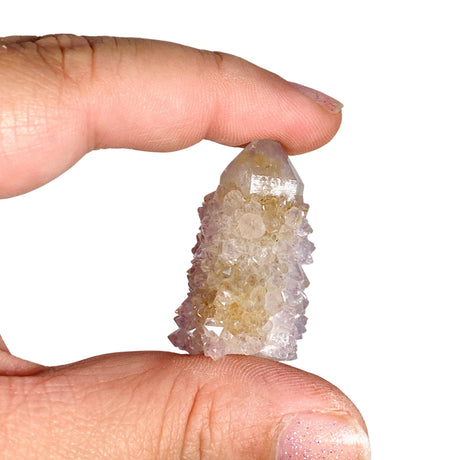
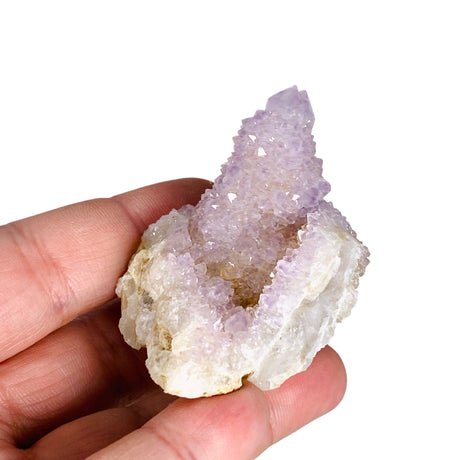
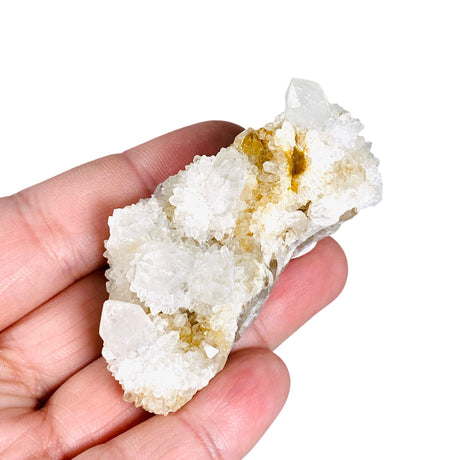
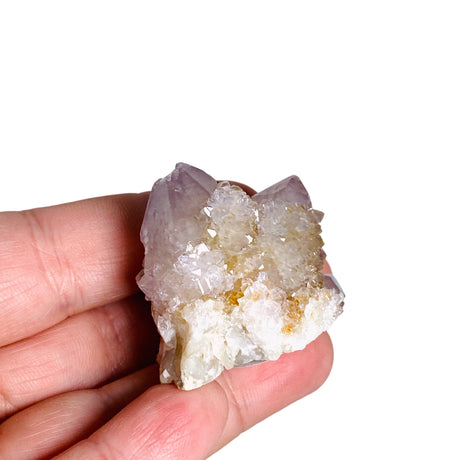
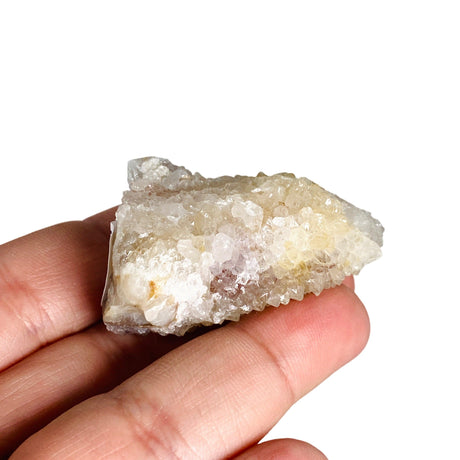
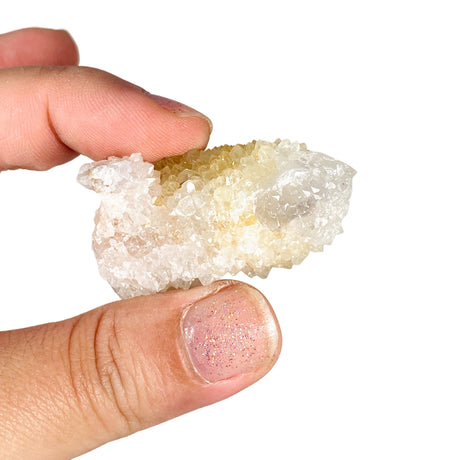
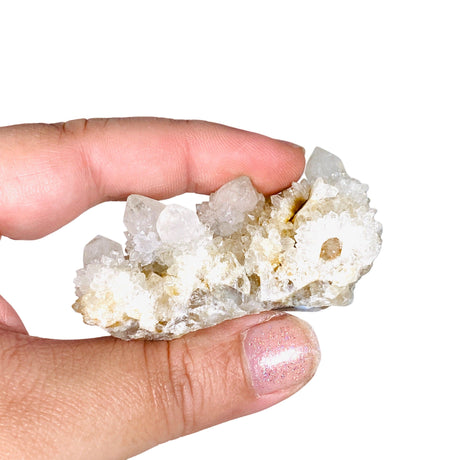
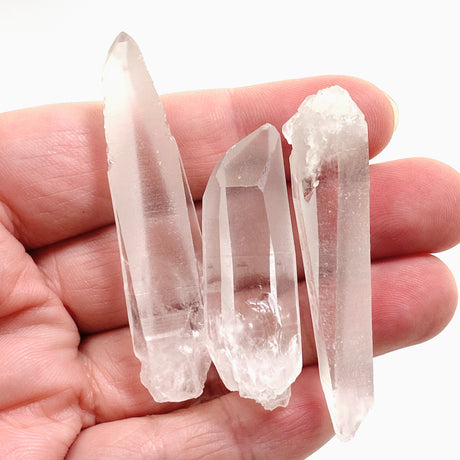
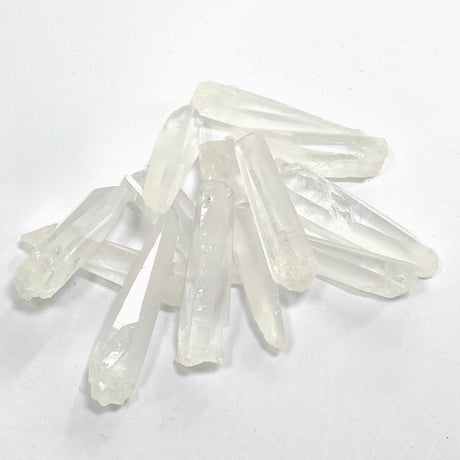
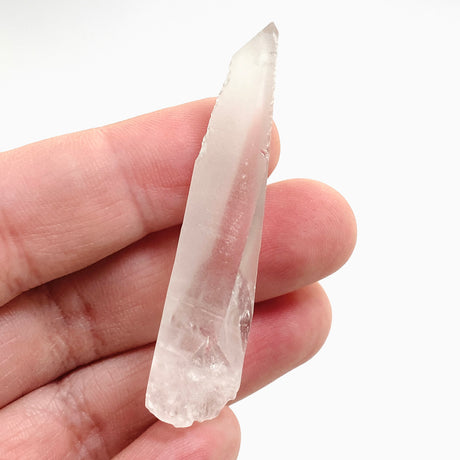
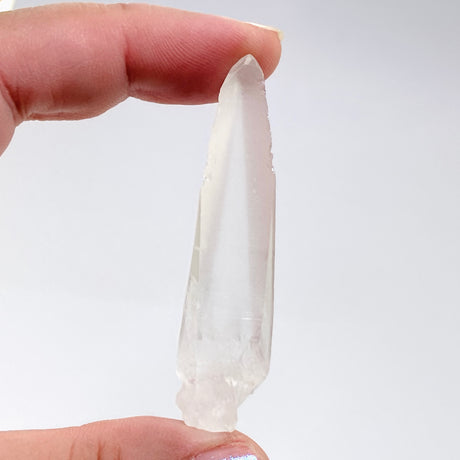
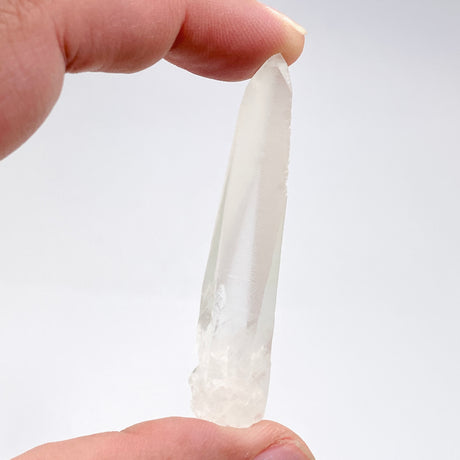
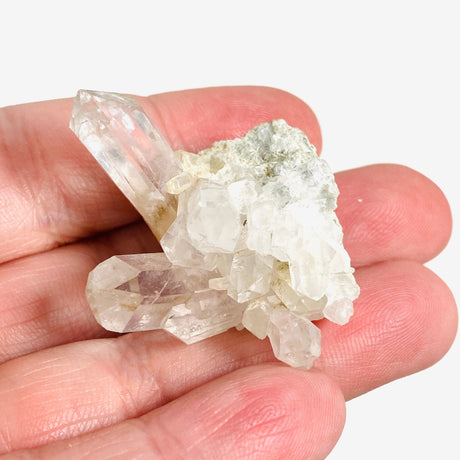
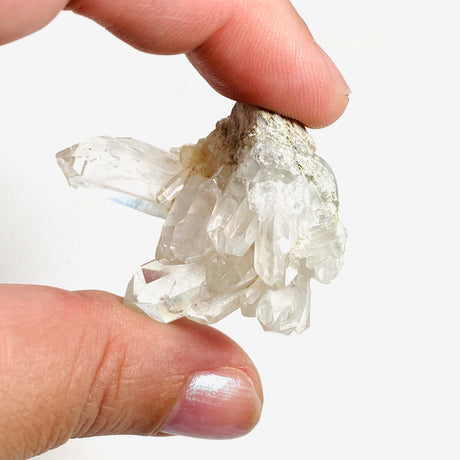
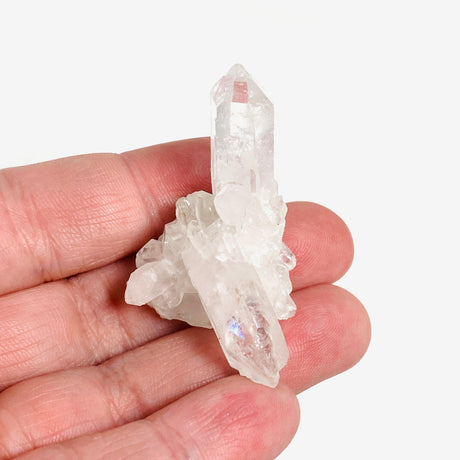
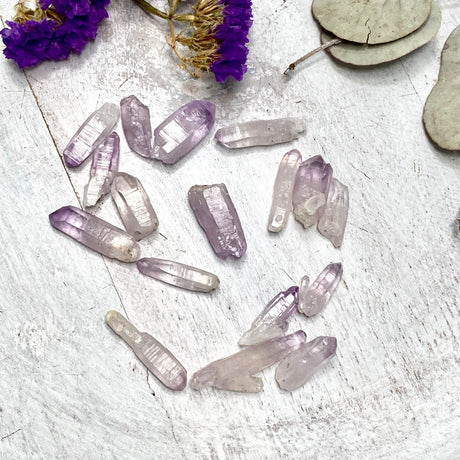
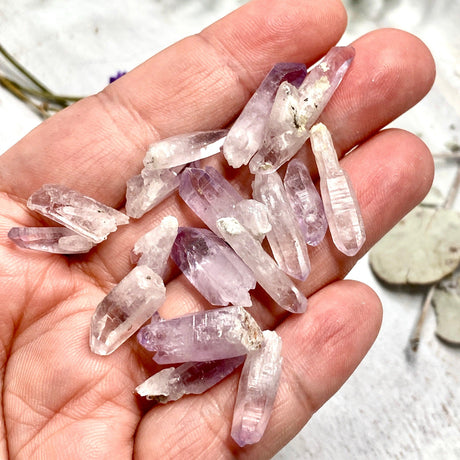
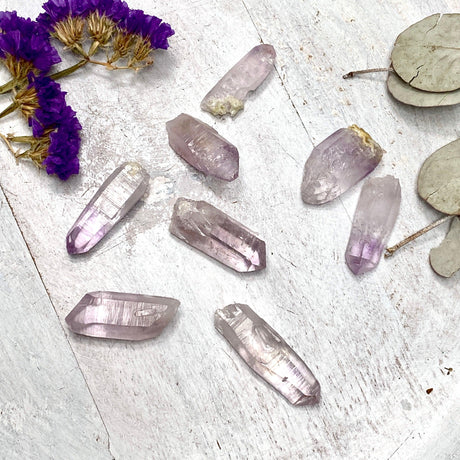
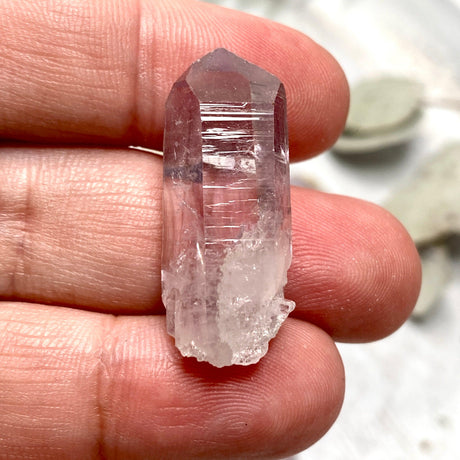
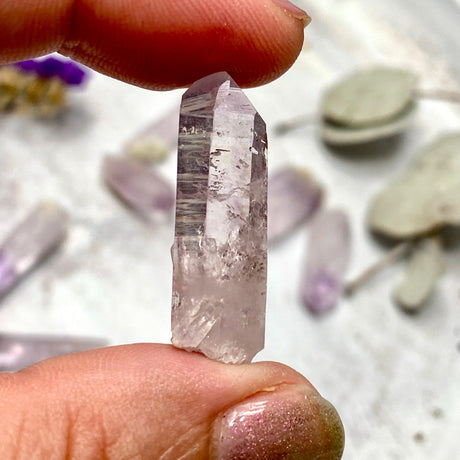
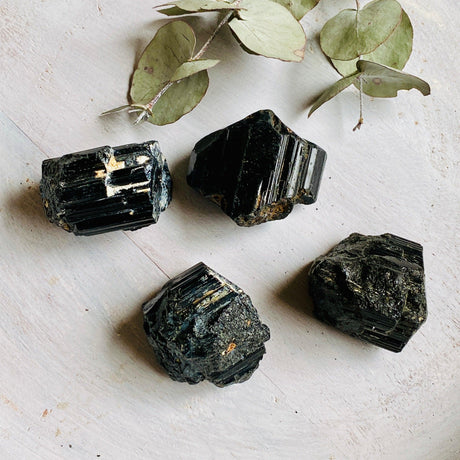
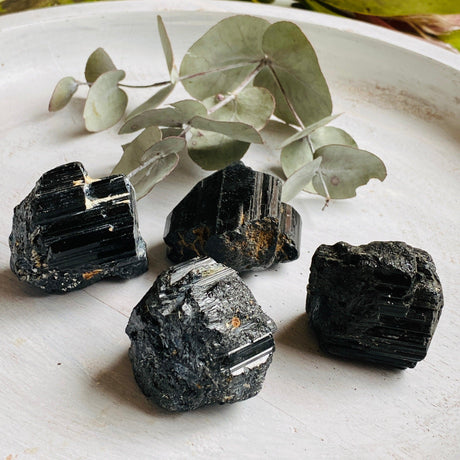
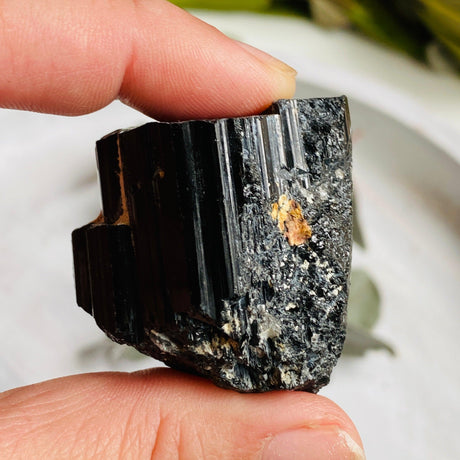
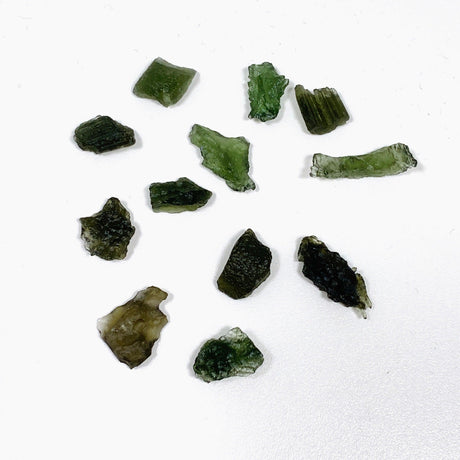
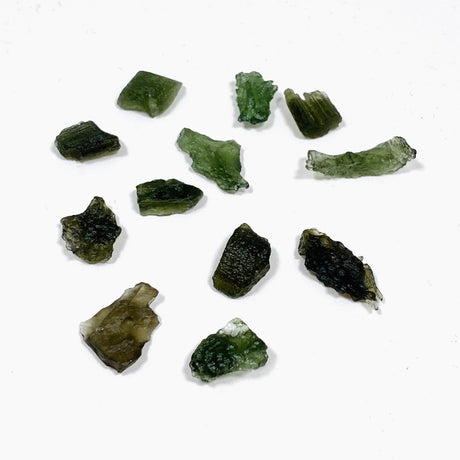
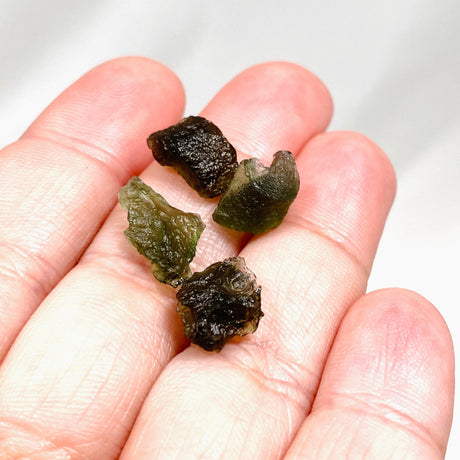
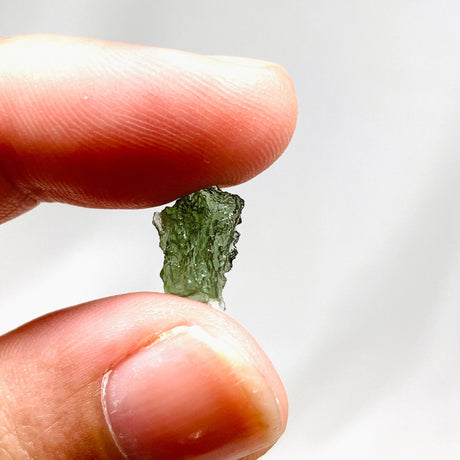
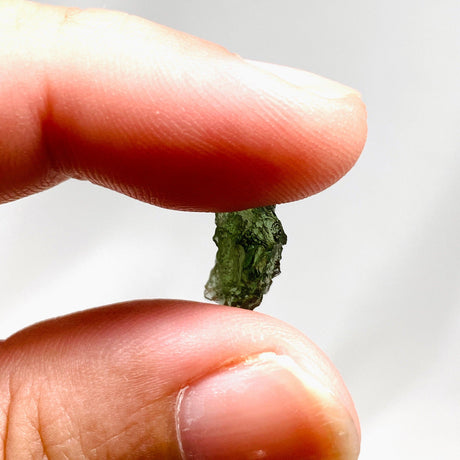
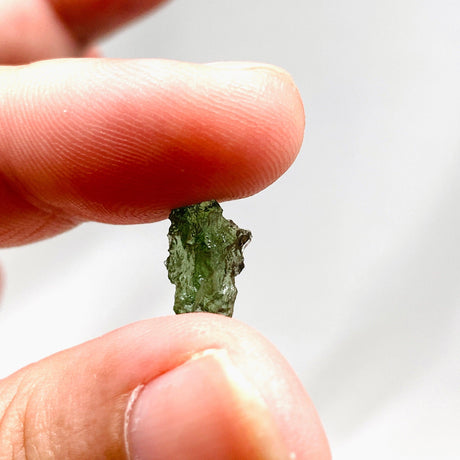
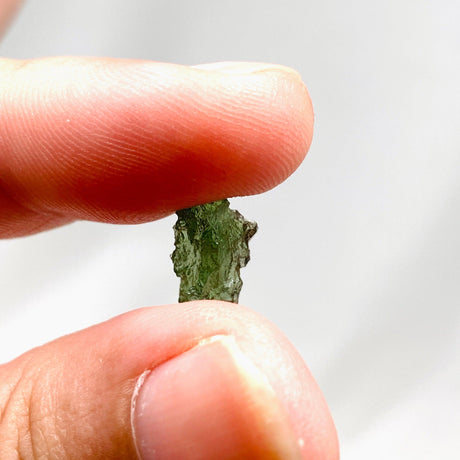
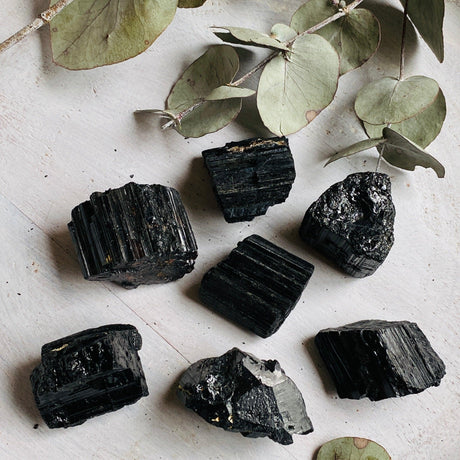
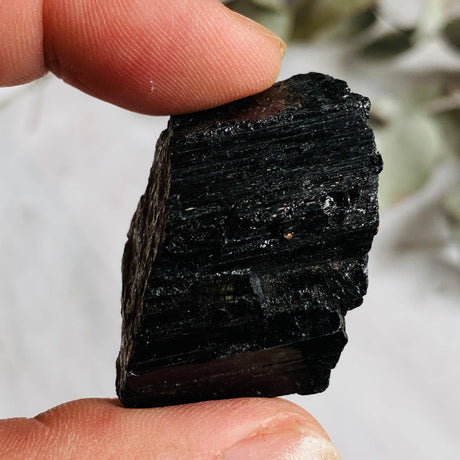
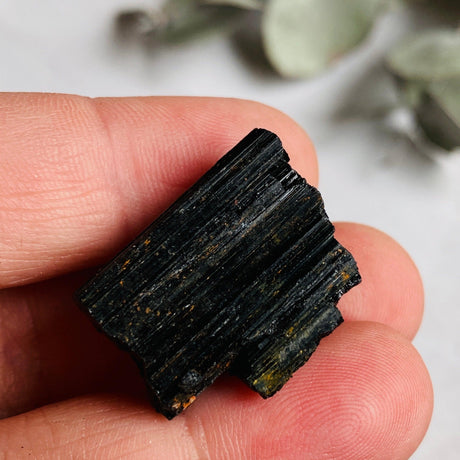
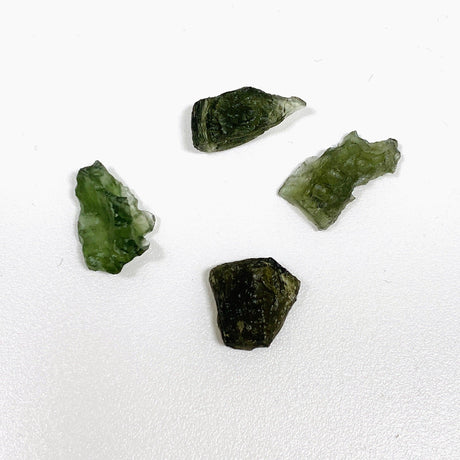
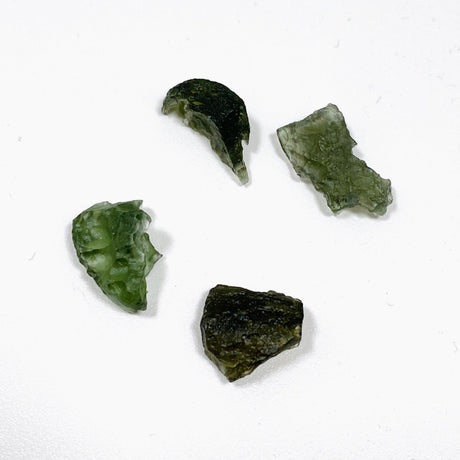
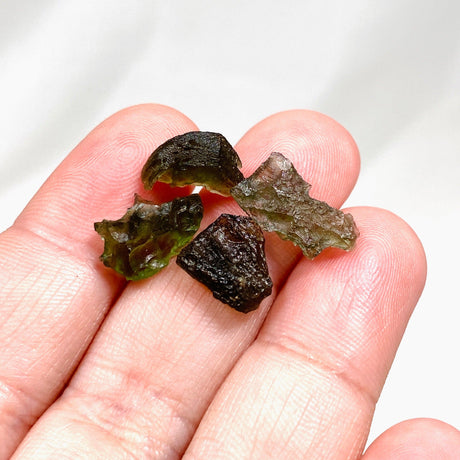
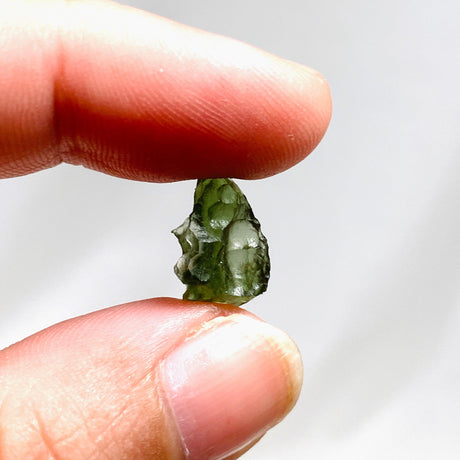
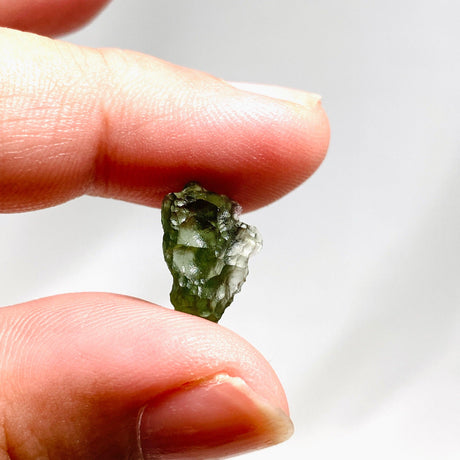
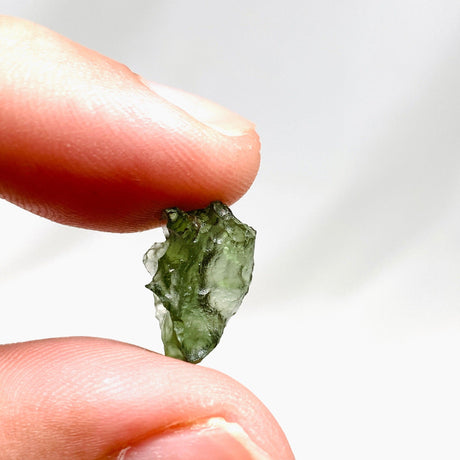
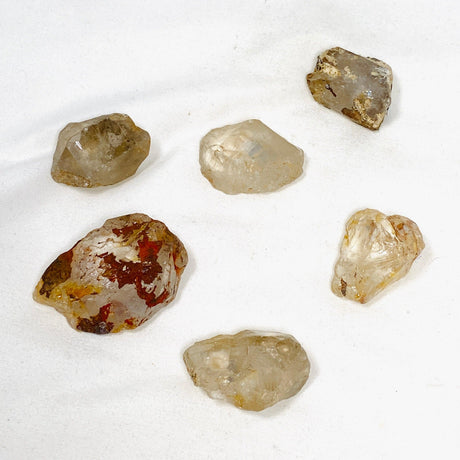
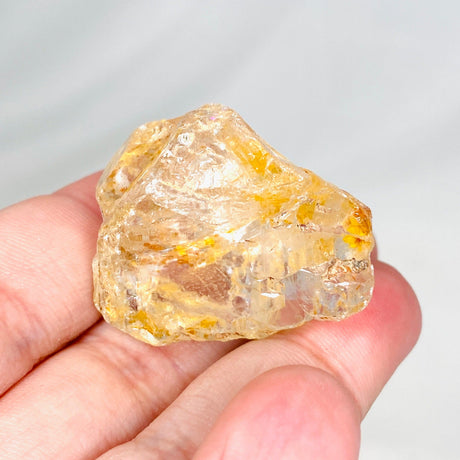
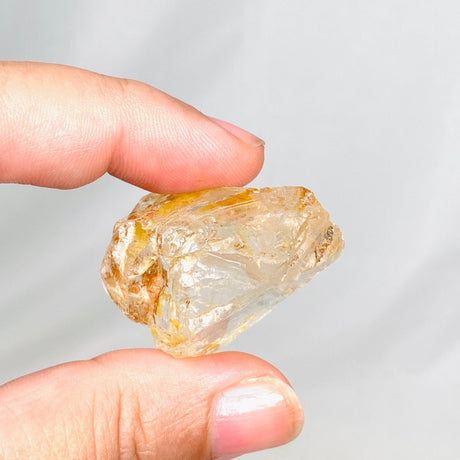
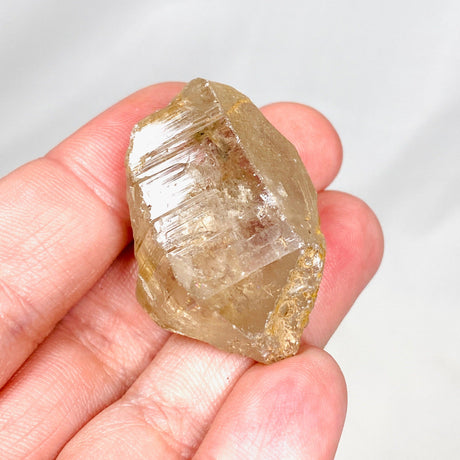
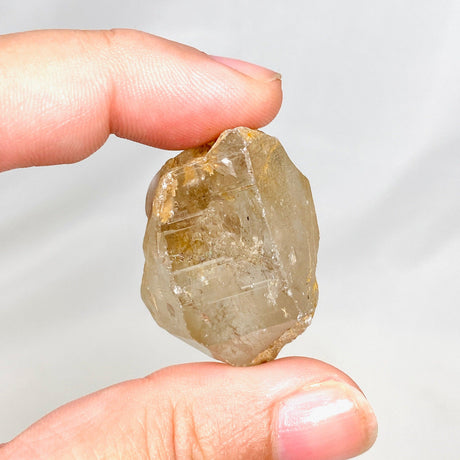
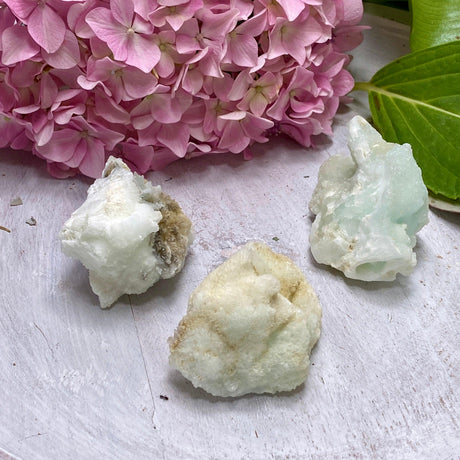
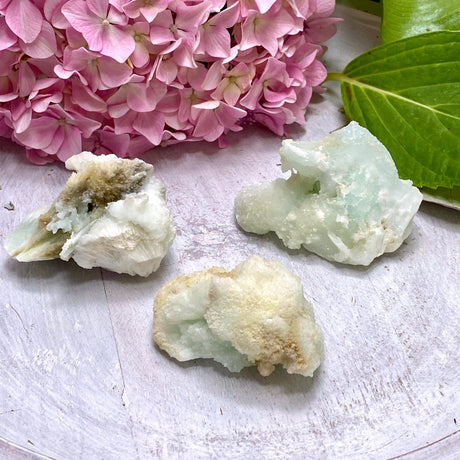
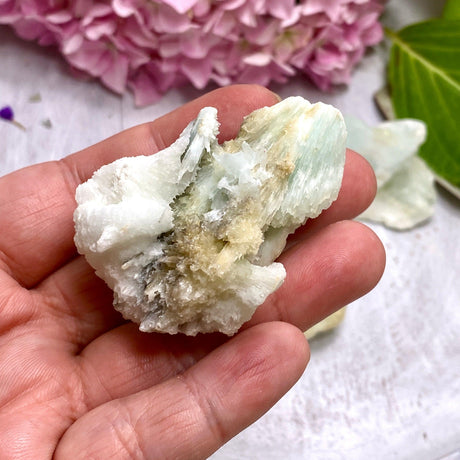
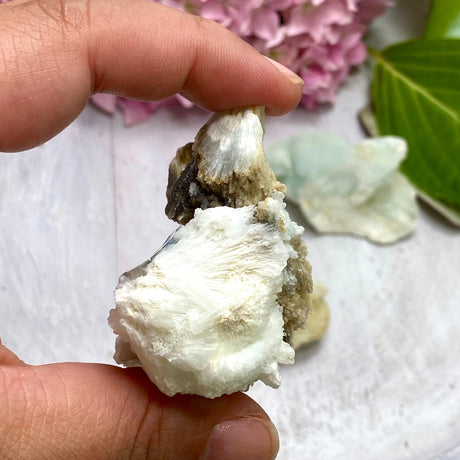
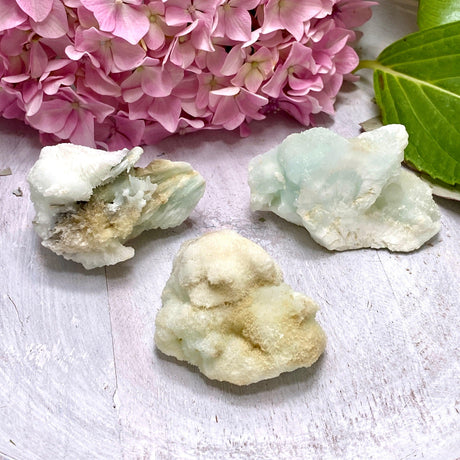
Raw crystals and mineral specimens in their natural form
Raw crystals and mineral specimens offer a closer look at the textures, shapes and formations of natural stone. From small rough pieces for personal ritual to distinctive specimens for display, this collection brings together crystals and minerals that have not been extensively polished or carved.
Some pieces feature recognisable crystal faces and points. Others are rough fragments, clusters or minerals growing within a surrounding rock, known as matrix. Their appeal lies in that variety: each piece tells a different visual story through its structure, colour and surface.
What is the difference between raw crystals and mineral specimens?
Raw crystals, also called rough crystals or rough stones, are pieces that retain an unpolished form. They may be naturally formed crystals or fragments separated from a larger piece. “Raw” does not necessarily mean untouched: a stone may have been extracted, cleaned or broken while retaining its rough surface.
Mineral specimens are pieces selected for features such as crystal formation, mineral combinations, colour or distinctive structure. A specimen might be a single crystal, a cluster or crystals growing on matrix.
These terms overlap. A raw crystal can also be a mineral specimen. Within our collection, the distinction helps you browse between simpler rough pieces and specimens chosen for their formation or display interest.
Why choose a raw or rough crystal?
Raw crystals appeal to those who enjoy natural textures and less shaped forms. Their uneven surfaces and individual characteristics offer a different experience from a smooth palmstone, polished point or carved crystal.
Smaller rough pieces can also be an accessible way to explore different gemstones or gather several stones for a crystal arrangement. Price varies with the mineral, size, availability and characteristics of each piece, so raw does not always mean less expensive.
Choose a piece for its appearance, its traditional symbolism or the role you would like it to play in your space.
Using raw crystals in crystal grids
Crystal grids are arrangements of stones used in personal ritual, often organised around an intention or geometric pattern. Small raw crystals can be placed around a central piece, repeated throughout a layout or combined with polished stones.
You might choose one gemstone throughout the grid or bring together several stones with symbolism that reflects your intention. Consider the size and stability of each piece, especially when working with rough fragments or delicate formations.
There is room for a personal approach. Your arrangement can be guided by a familiar pattern or simply by what feels visually balanced and meaningful to you.
Raw crystals for meditation and personal ritual
A raw crystal can provide a visual or tactile focus during meditation, journalling or quiet reflection. Place it nearby, include it in a ritual arrangement or hold it if its surface is comfortable.
In crystal energy work, different stones are selected according to their traditional associations. Black Tourmaline, for example, is commonly associated with grounding and protection, while Clear Quartz is associated with clarity and intention.
These meanings can help shape a personal practice. A stone might represent a boundary you want to honour, a quality you want to cultivate or an intention you wish to revisit.
Displaying natural crystals and minerals at home
Raw crystals and mineral specimens bring texture, colour and natural detail to a room. A small piece can sit beside your journal or within a personal collection, while a larger specimen may become a focal point on a shelf or display stand.
When choosing a display location, consider the mineral’s care needs as well as its appearance. Some specimens are delicate, and some stones may be affected by moisture or prolonged sunlight. Place pieces securely where they are unlikely to fall or be handled by young children or pets.
Choosing a mineral specimen
Look for the features that interest you: defined crystal growth, an unusual combination of minerals, contrasting colours or an appealing overall form.
A specimen does not need to be large or expensive to be worth enjoying. Smaller pieces can reveal fascinating details, while larger formations may offer stronger display presence.
Review the photographs, dimensions and description of each listing. For one-of-a-kind specimens, these details help you understand the particular piece you are choosing.
Caring for raw crystals and mineral specimens
Care should suit the individual mineral. Avoid assuming that every raw crystal can be washed, soaked or cleaned with salt.
For routine dusting, a soft brush may be suitable for a sturdy specimen. Delicate crystal growth, flaky surfaces or loosely attached minerals require more careful handling. Support the piece from its base rather than lifting it by a projecting crystal.
If energetic cleansing is part of your practice, choose a method compatible with the stone’s physical care requirements. A quiet intention or sound-based ritual can avoid exposing a delicate specimen to water or abrasive materials.
Frequently asked questions
Are raw crystals and rough crystals the same thing?
The terms are commonly used interchangeably for crystals and stones that have not been extensively polished or shaped. Check each listing for the specific form, because a rough fragment and a naturally formed crystal can look quite different.
Are raw crystals more powerful than polished crystals?
In crystal traditions, some people prefer raw forms and others prefer polished stones. There is no established scientific basis for ranking their spiritual power. Choose according to your practice, the stone’s appearance and how you intend to use it.
Are mineral specimens always more expensive?
No. Mineral specimens span a wide range of prices. Distinctive formations, rarity, size and condition can influence value, but smaller or more common specimens can remain accessible.
Can I carry a raw crystal in my pocket?
Some small, sturdy pieces are suitable for carrying in a protective pouch. Rough edges can catch on fabric, and delicate crystals may chip, so check the piece before carrying it. A polished palmstone or tumbled stone may be more comfortable if you want something to hold frequently.
Will I receive the exact crystal pictured?
Each product listing explains whether you will receive the exact piece shown or an intuitively selected piece from similar stock. For selected pieces, expect natural variations in shape, texture, colour and markings.
How do I choose between a rough piece and a mineral specimen?
Choose a smaller rough piece when you want a simple addition to a grid, ritual or everyday collection. Choose a mineral specimen when a particular formation, mineral combination or display feature draws your attention. Both offer ways to appreciate the natural character of crystals and minerals.