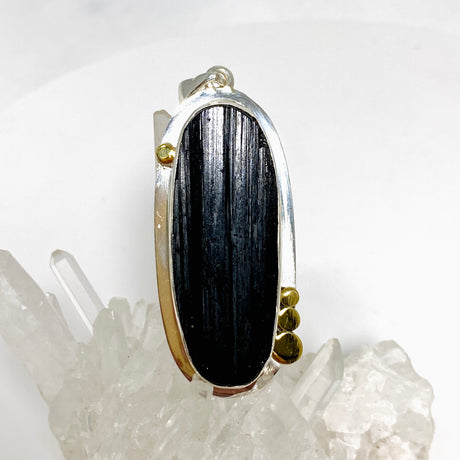
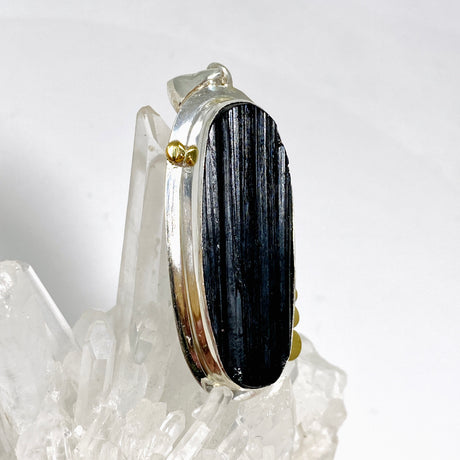
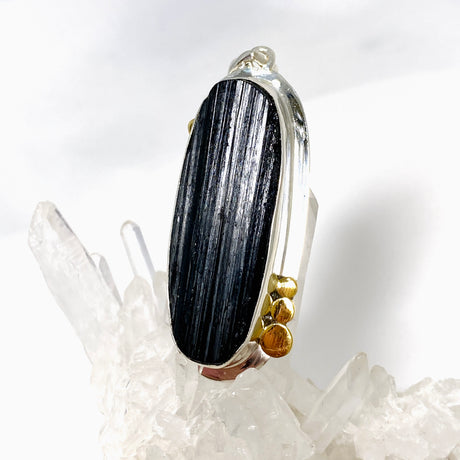
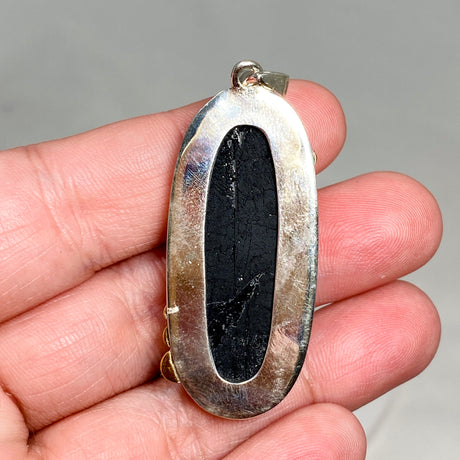
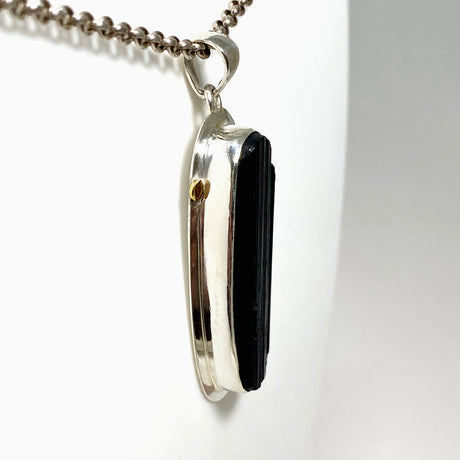
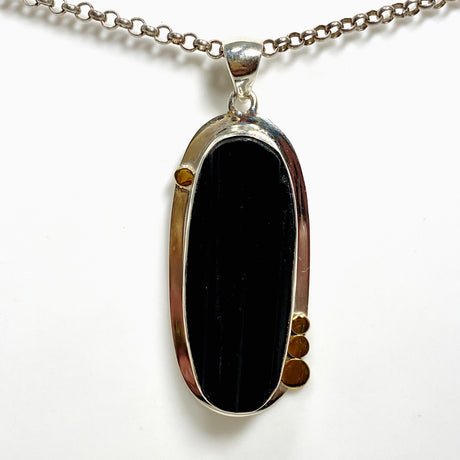
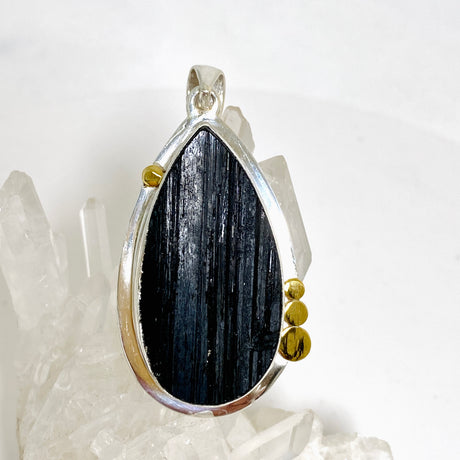
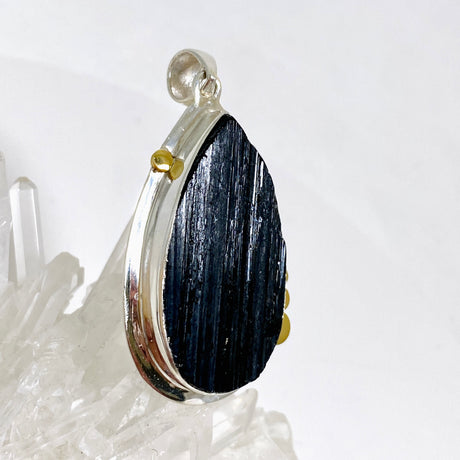
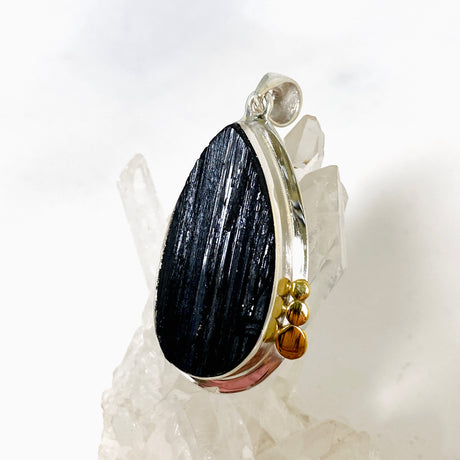
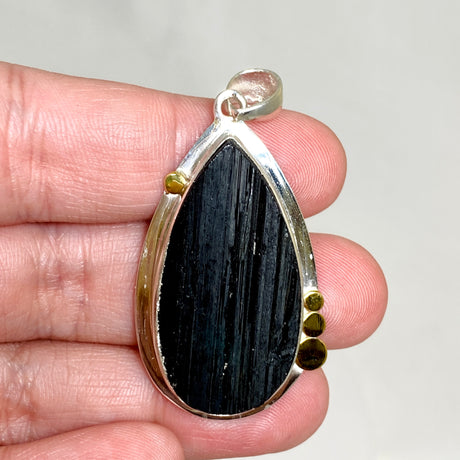
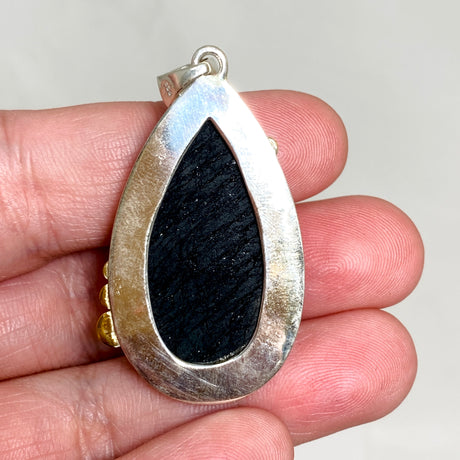
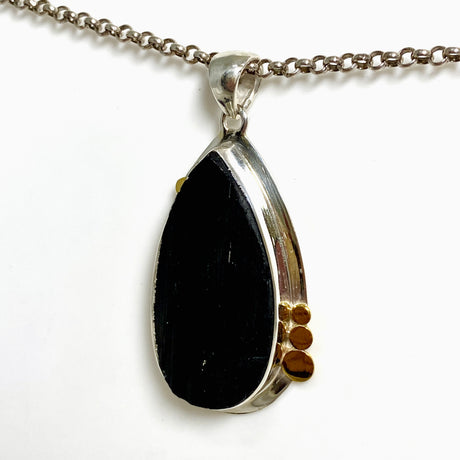
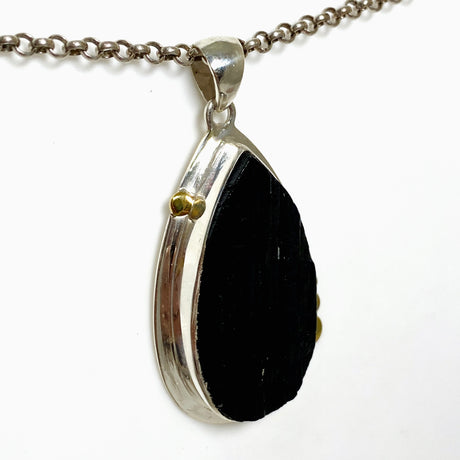
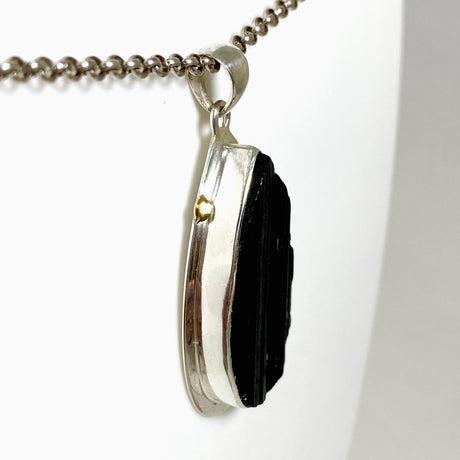
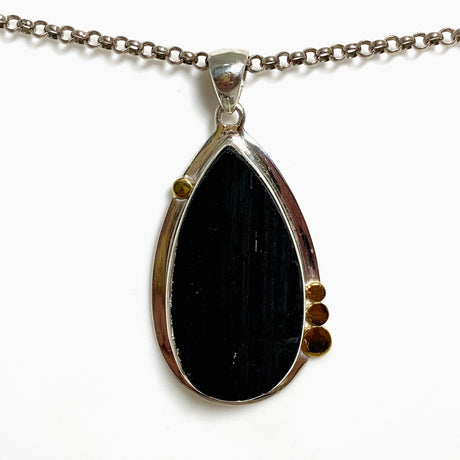
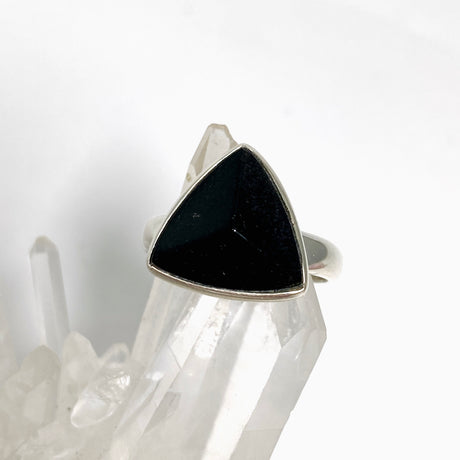
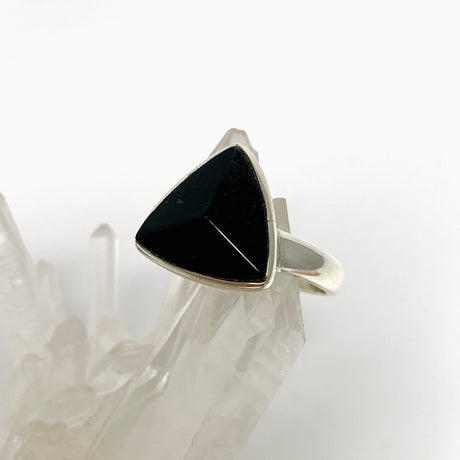
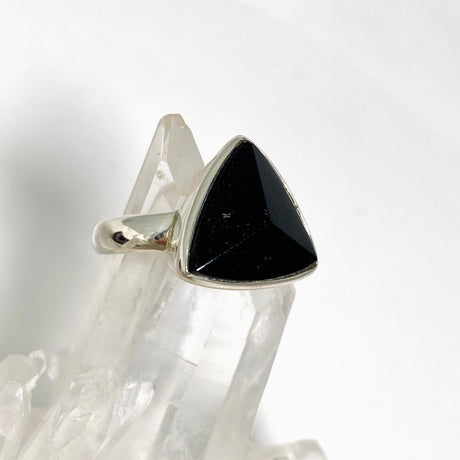
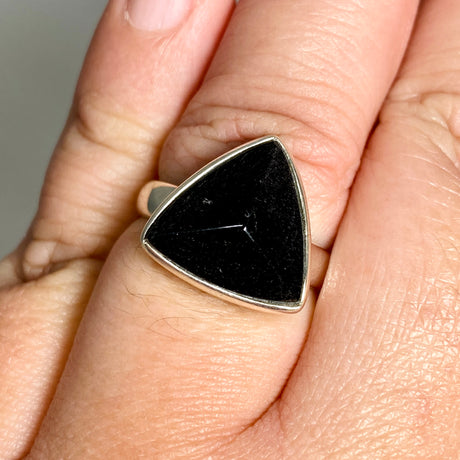
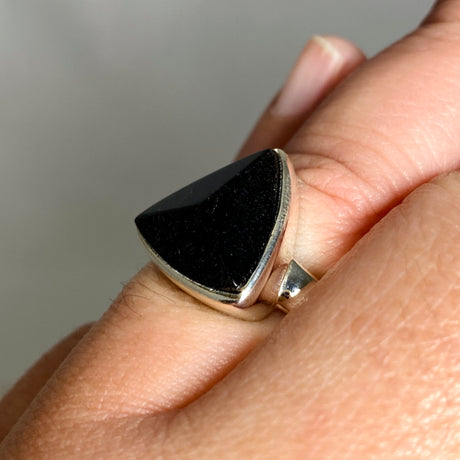
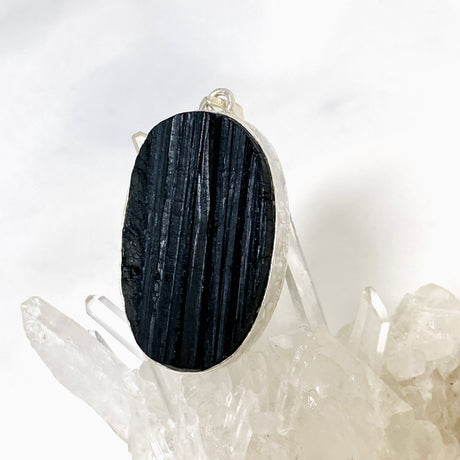
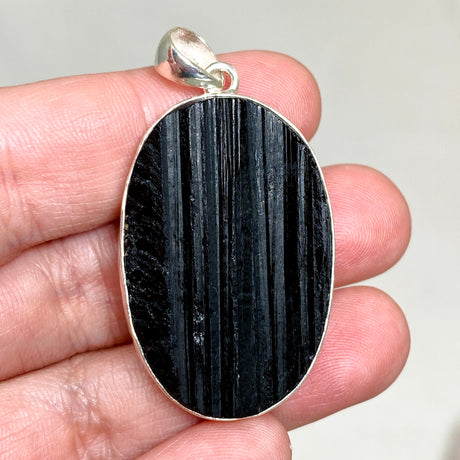
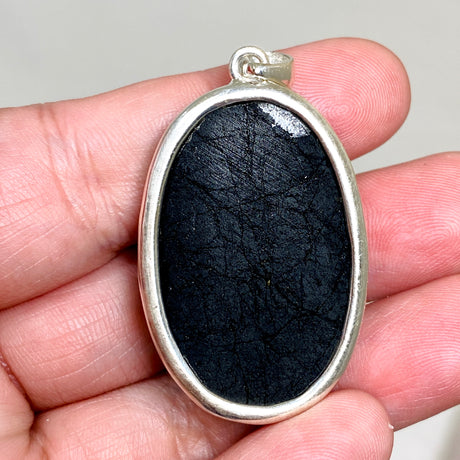
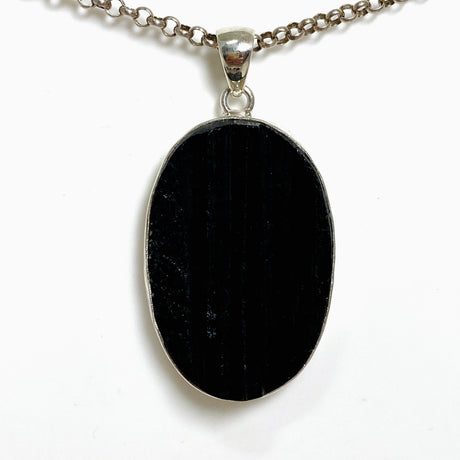
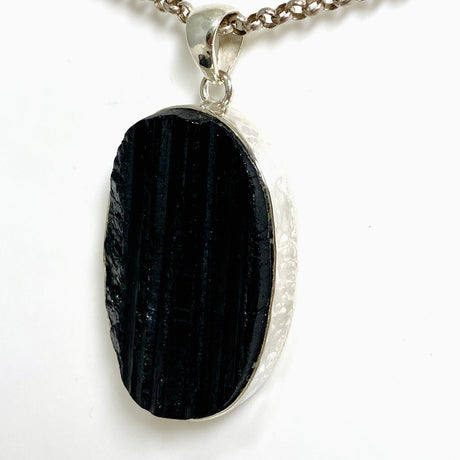
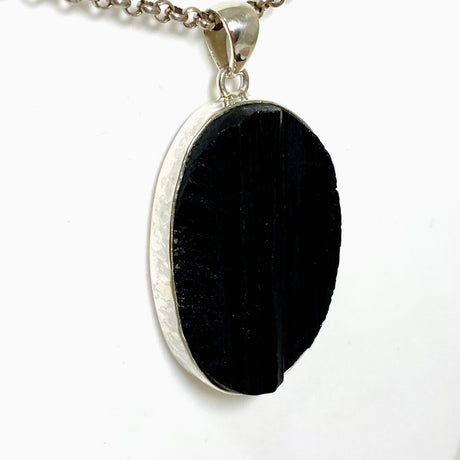
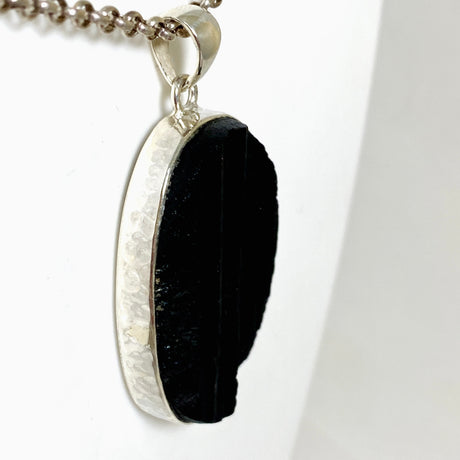
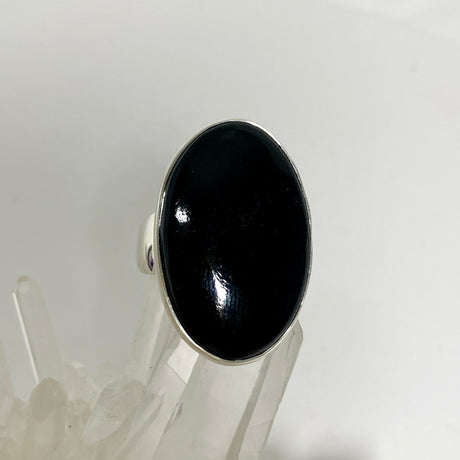
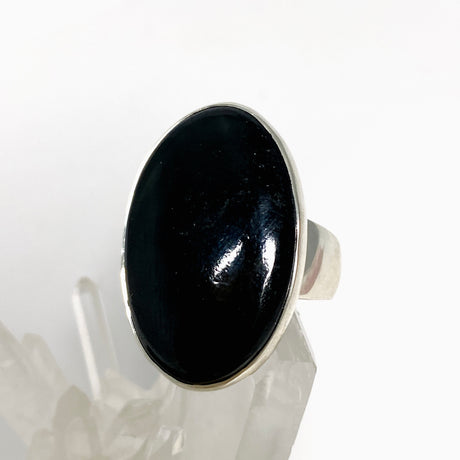
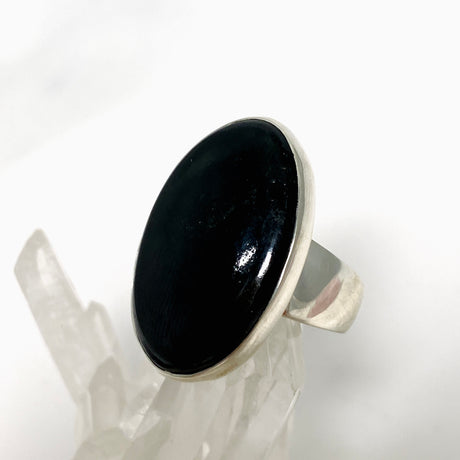
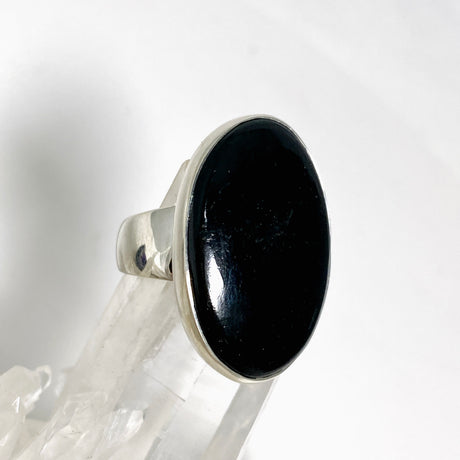
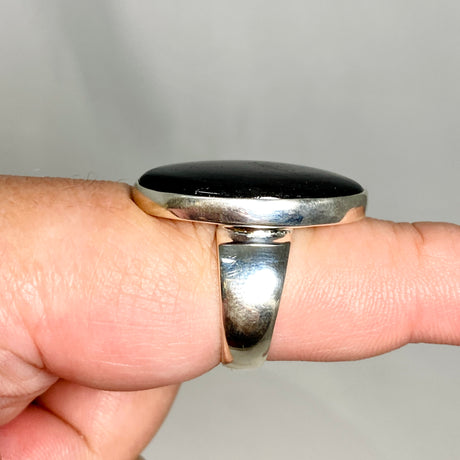
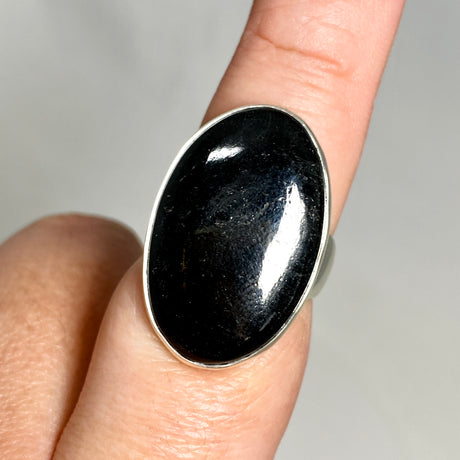
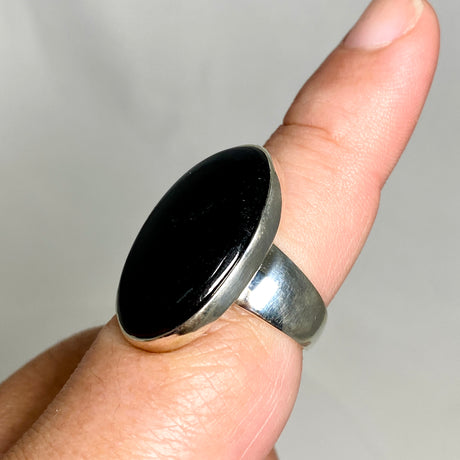
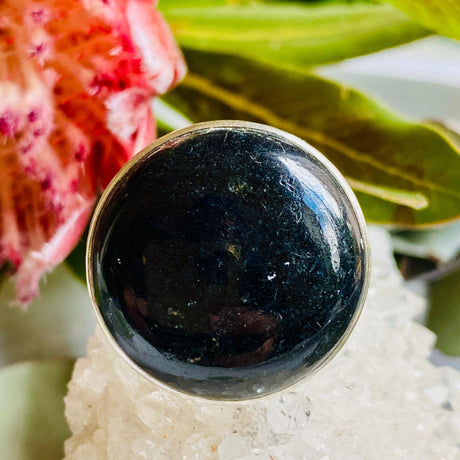
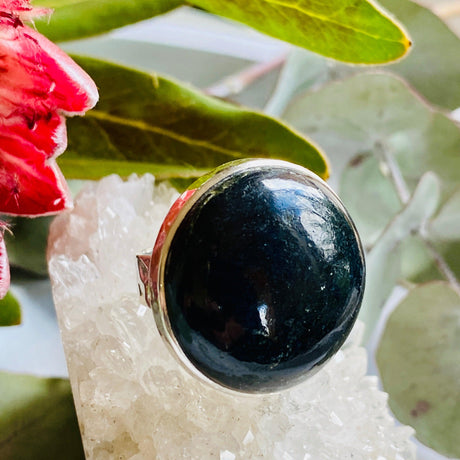
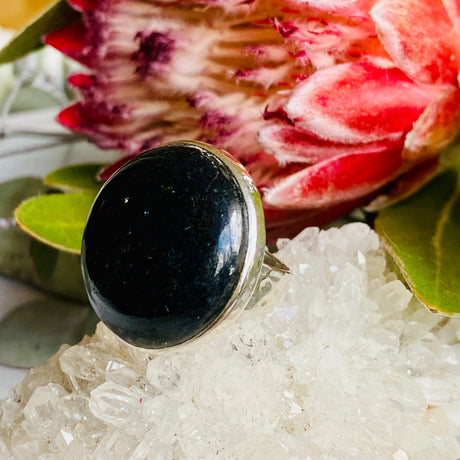
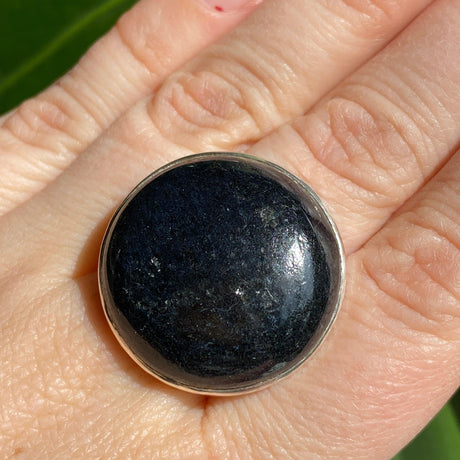
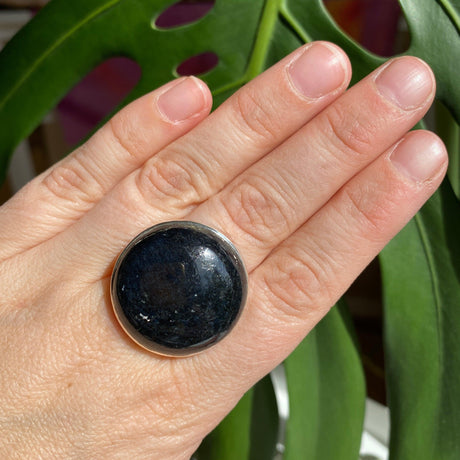
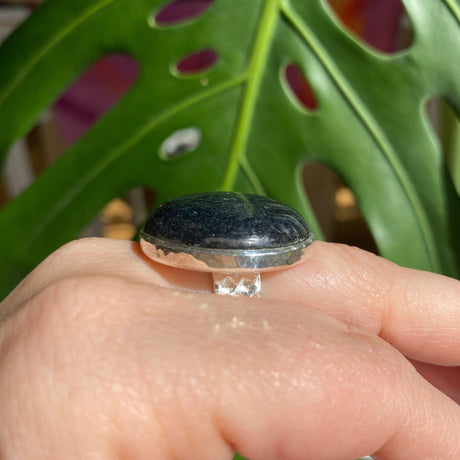
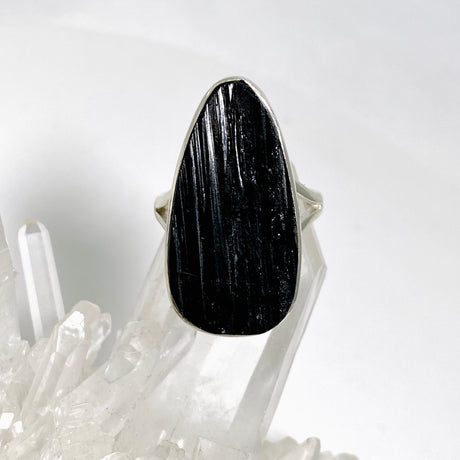
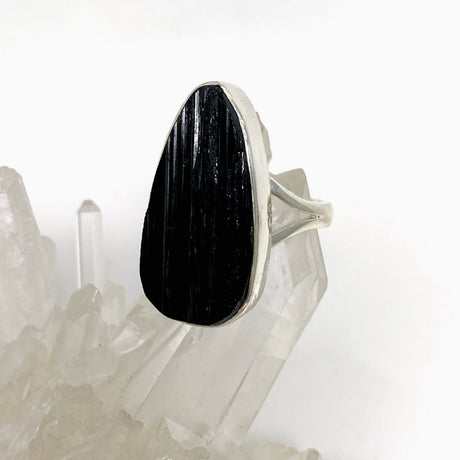
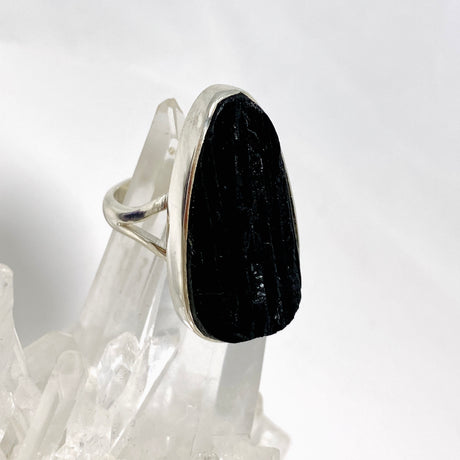
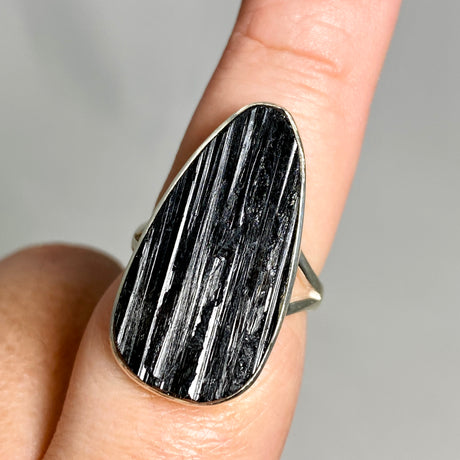
Black Tourmaline Jewellery and Crystals

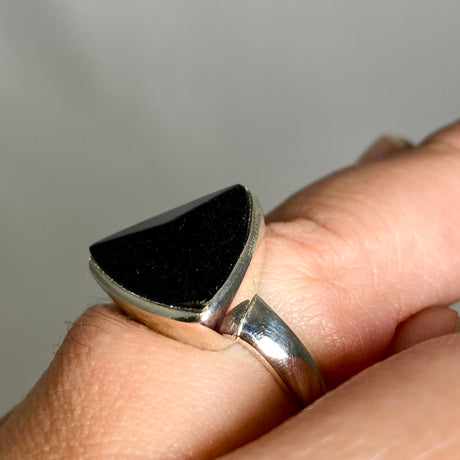
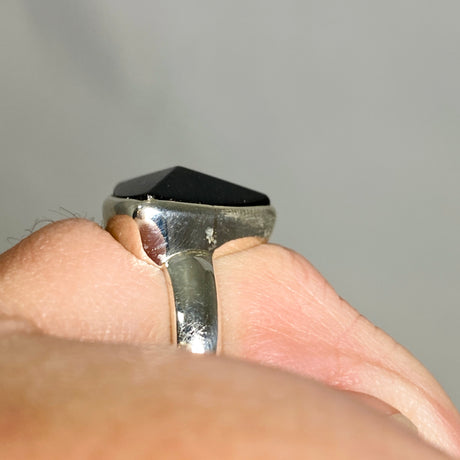
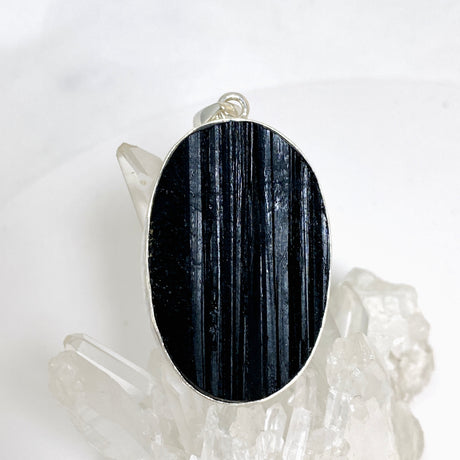
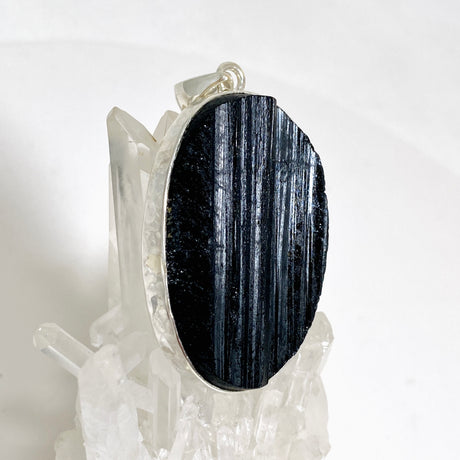
Explore black tourmaline crystals and jewellery, chosen for their deep black tones, natural textures, and associations with protection and grounding. From raw specimens for your home to wearable pieces, discover black tourmaline to accompany your daily rituals or wear as a grounding anchor throughout your day.

View as

Black Tourmaline Jewellery and Crystals

Black Tourmaline: Meaning, Properties & Origins

Black tourmaline brings together striking natural form and meaningful symbolism. Its dark colour and distinctive crystal textures make it a beautiful choice for mineral collections, intentional spaces and everyday jewellery.

Often associated with grounding and protection in contemporary crystal practices, black tourmaline can become a personal reminder to pause, reconnect with yourself and be thoughtful about where you place your attention.

What is black tourmaline?

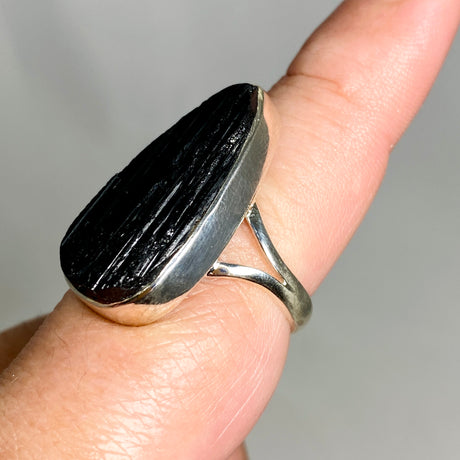
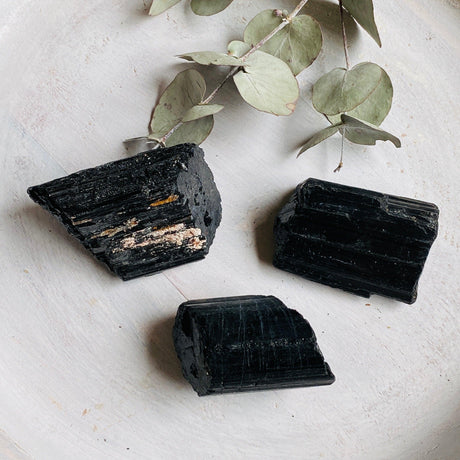
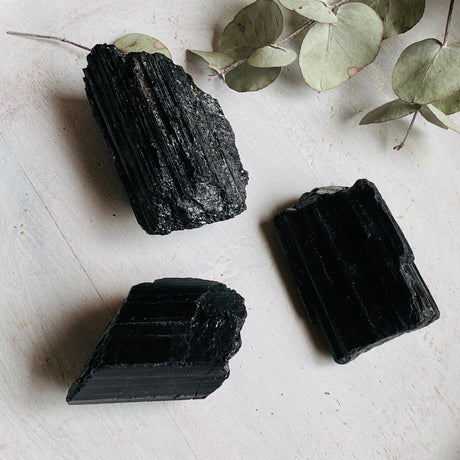
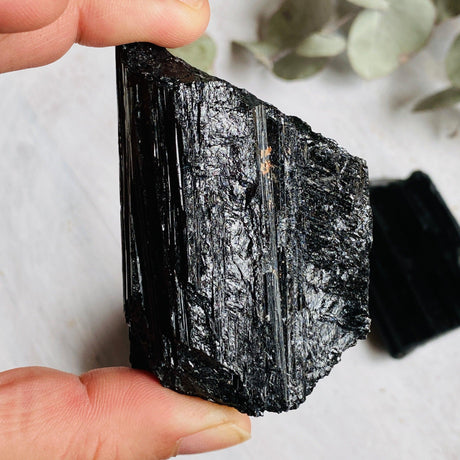
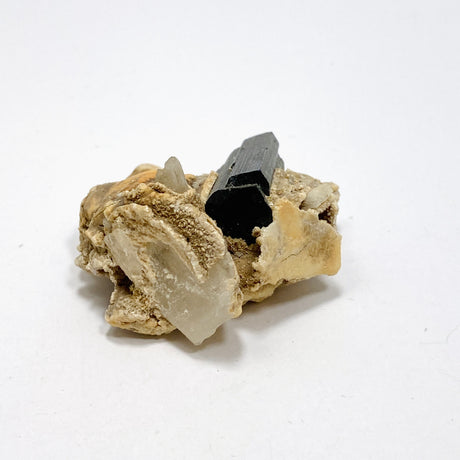
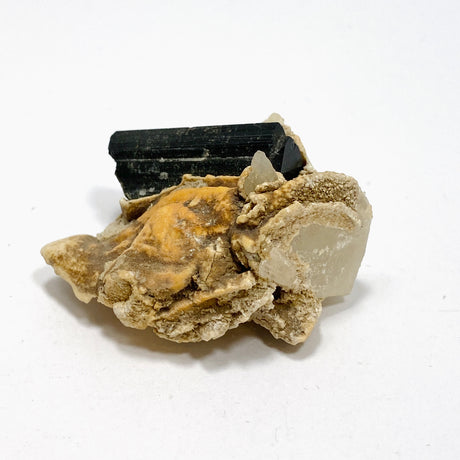
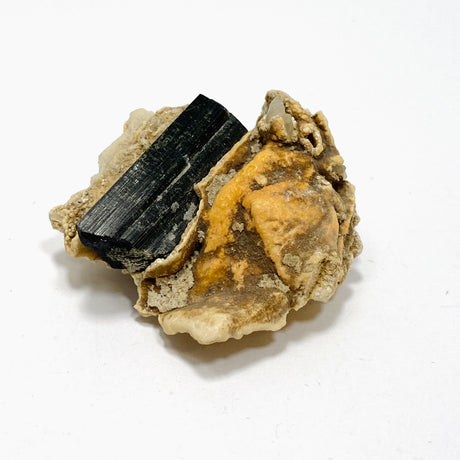
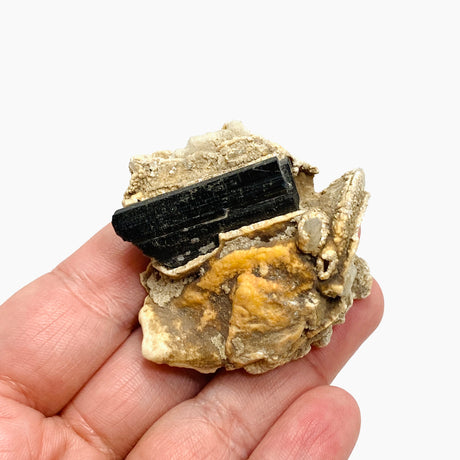
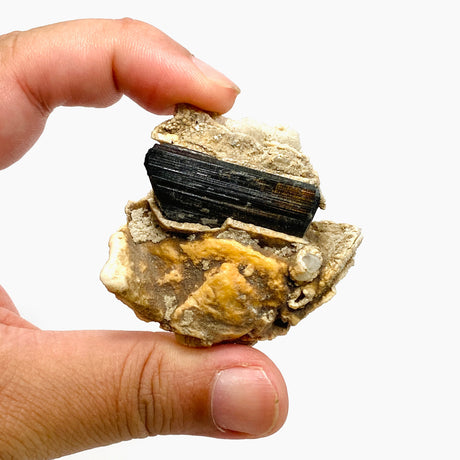
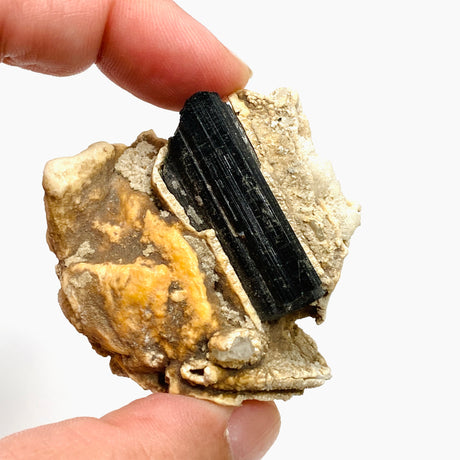
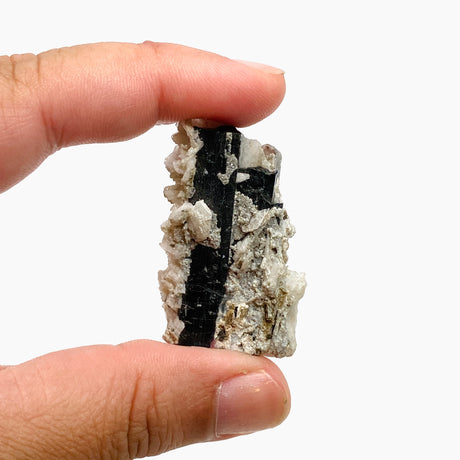
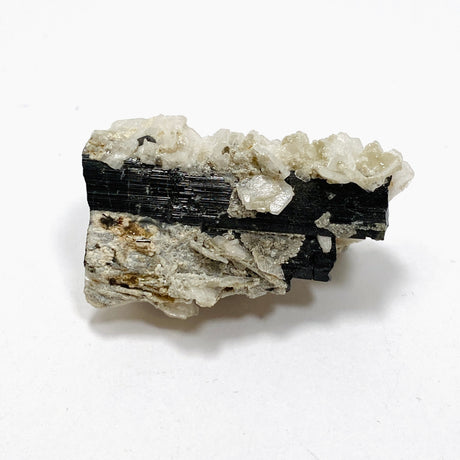
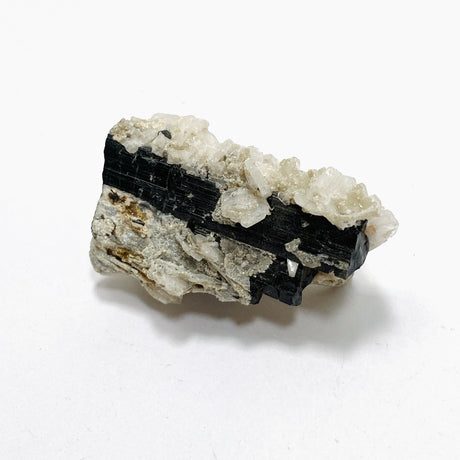
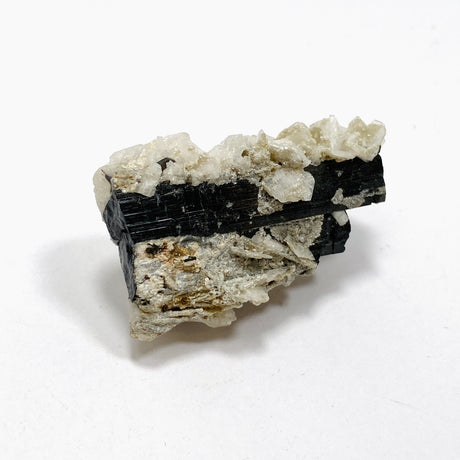
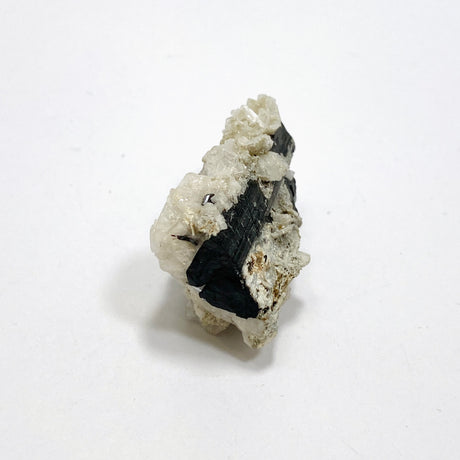
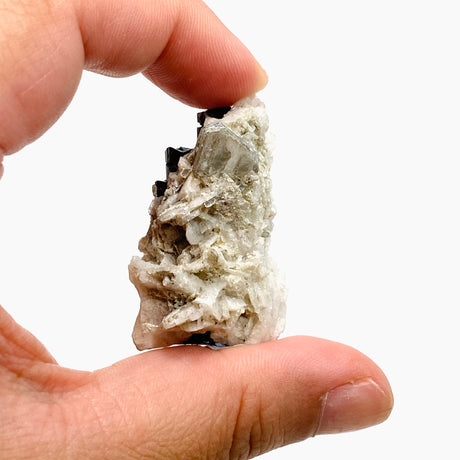
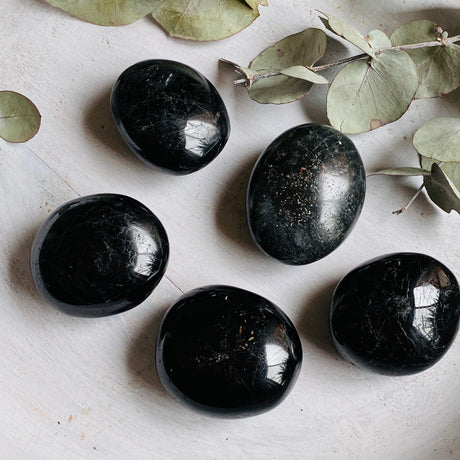
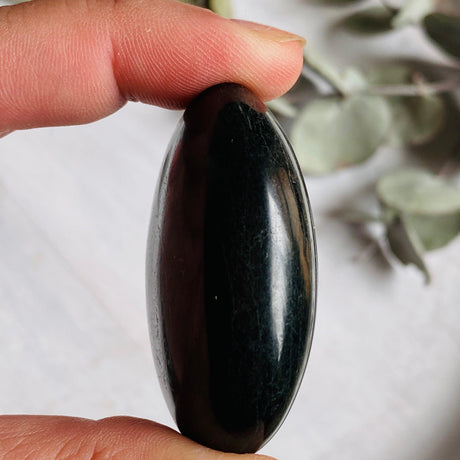
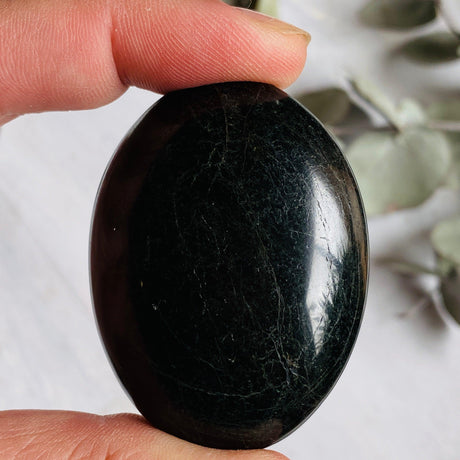
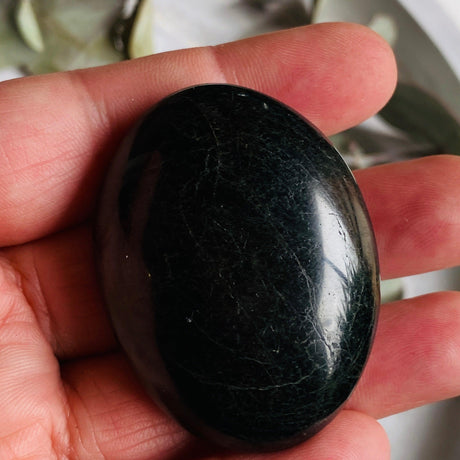
Black tourmaline is commonly known as schorl, an iron-rich member of the tourmaline mineral group. It typically appears black, sometimes with brownish or bluish undertones.

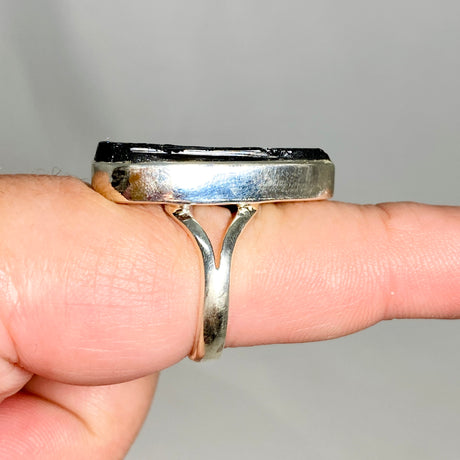
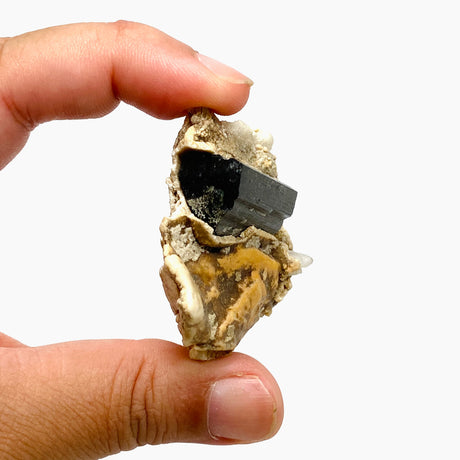
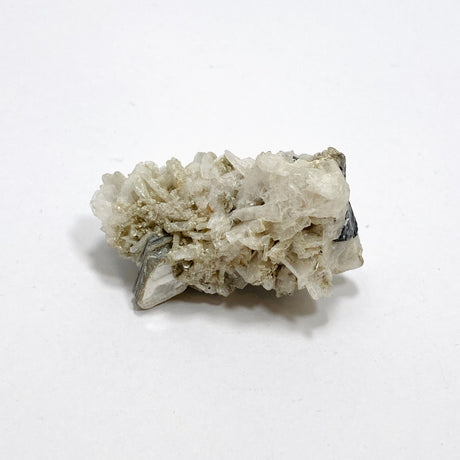
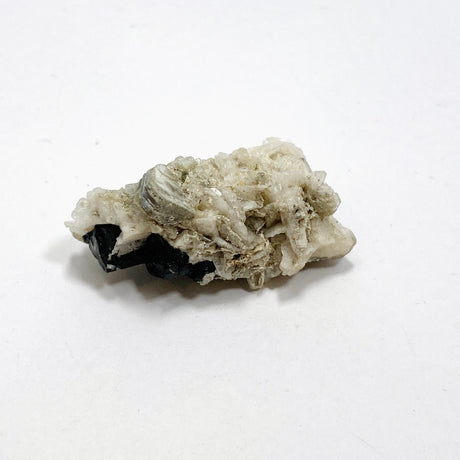
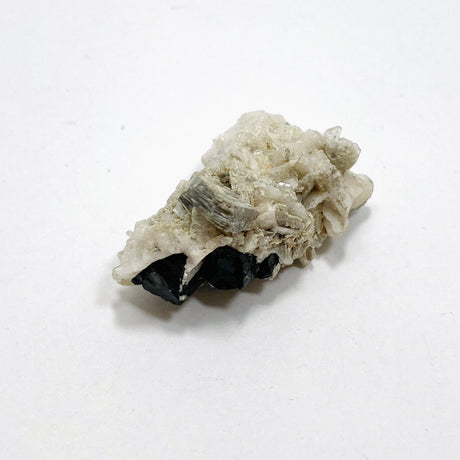
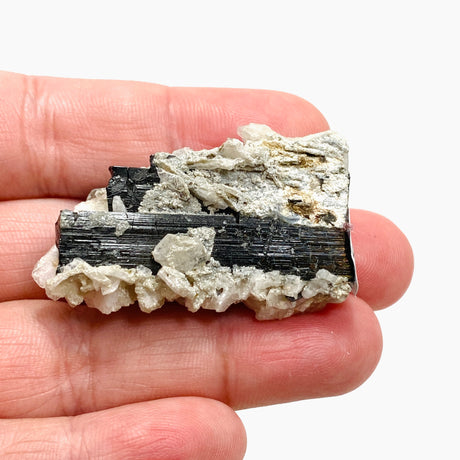
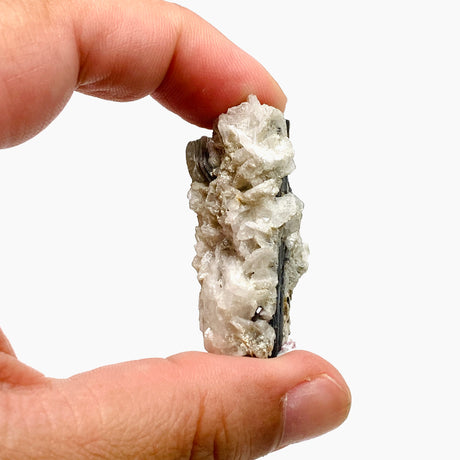
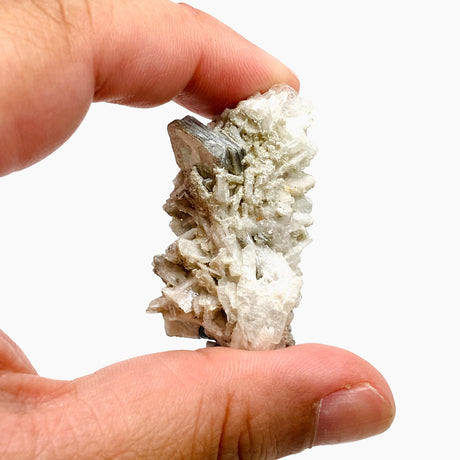
Its crystals belong to the trigonal crystal system and often grow as elongated prisms with lengthwise grooves called striations. Some pieces form slender crystals or radiating clusters, while others have a more solid, irregular appearance. Natural surfaces can catch the light with a glassy lustre.

Tourmaline has a Mohs hardness of approximately 7–7.5. Hardness measures resistance to scratching, however, and does not prevent delicate crystals from chipping or breaking.

Where does black tourmaline come from?

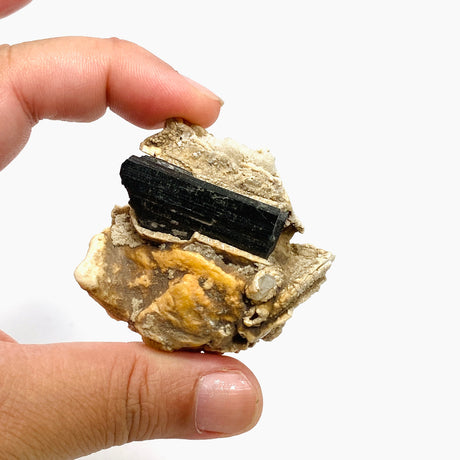
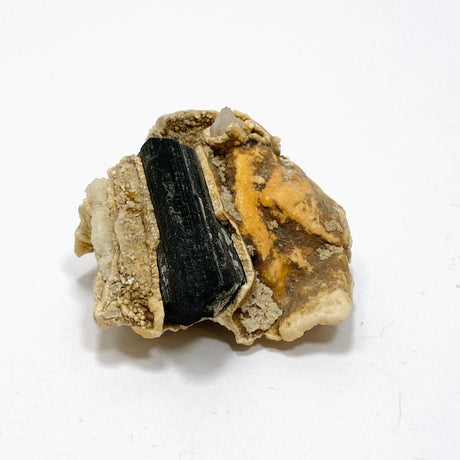
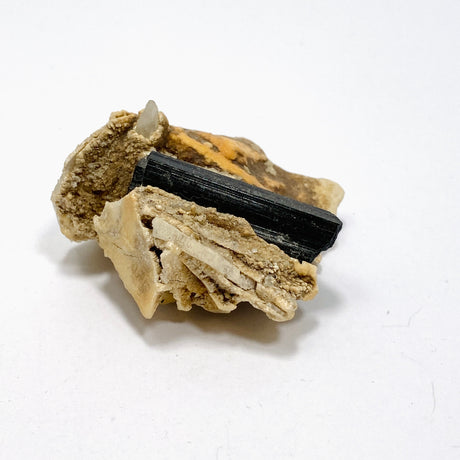
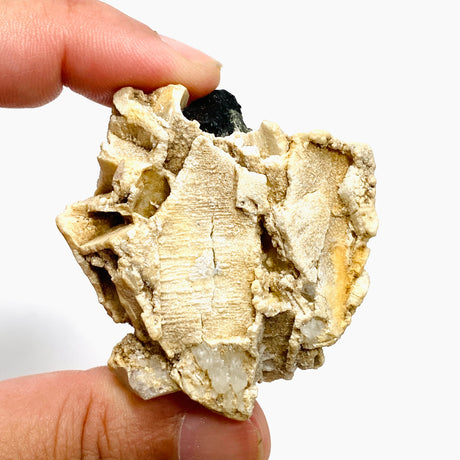
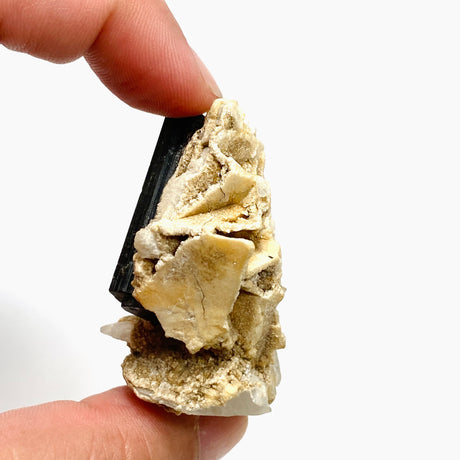
Schorl occurs in several geological environments, including granite, pegmatites and some metamorphic rocks. It can grow alongside minerals such as quartz, feldspar and mica, creating specimens with contrasting colours and textures.

Recorded sources include Brazil, Namibia, Afghanistan, Germany and the United States. The origin of an individual piece should be checked in its product listing where that information is available.

Tourmaline’s history

The name tourmaline comes from the Sinhalese word “toramalli”, associated with mixed gems. This reflects the history of a mineral family whose many colours once led to confusion with other gemstones.

Black tourmaline offers a distinctive expression of that family: dark, textured and appreciated both as a mineral specimen and as meaningful adornment.

Black tourmaline’s metaphysical meaning

In contemporary crystal traditions, black tourmaline is associated with protection, grounding and energetic clearing. These are spiritual and symbolic associations, rather than scientifically established effects.

For intentional practice, those themes can offer a starting point:

  • Grounding: a reminder to return your attention to your body and the present moment.

  • Protection: a symbol of personal boundaries and choosing what you welcome into your space.

  • Clearing: an invitation to reflect on what you are ready to release.

  • Steadiness: a meaningful object to accompany change, reflection or a fresh beginning.

You might wear black tourmaline jewellery as a daily touchstone, keep a crystal beside your journal, or place a specimen somewhere that invites you to pause. Let its meaning come from your own relationship with the piece.

Black tourmaline’s electrical properties

Tourmaline is pyroelectric and piezoelectric, meaning temperature changes or mechanical pressure can produce electrical charges in the crystal.

These mineral properties are distinct from the spiritual meanings associated with black tourmaline and should not be interpreted as evidence that wearing or displaying it provides EMF shielding or changes the body’s energy field.

Choosing your black tourmaline

Consider how you would like to enjoy your piece. A raw crystal highlights natural growth and texture; a specimen brings visual interest to a shelf or intentional space; jewellery offers a way to carry its symbolism into everyday life.

Explore the collection above and choose the form, texture and design that speaks to you.

Compare /3

Loading...